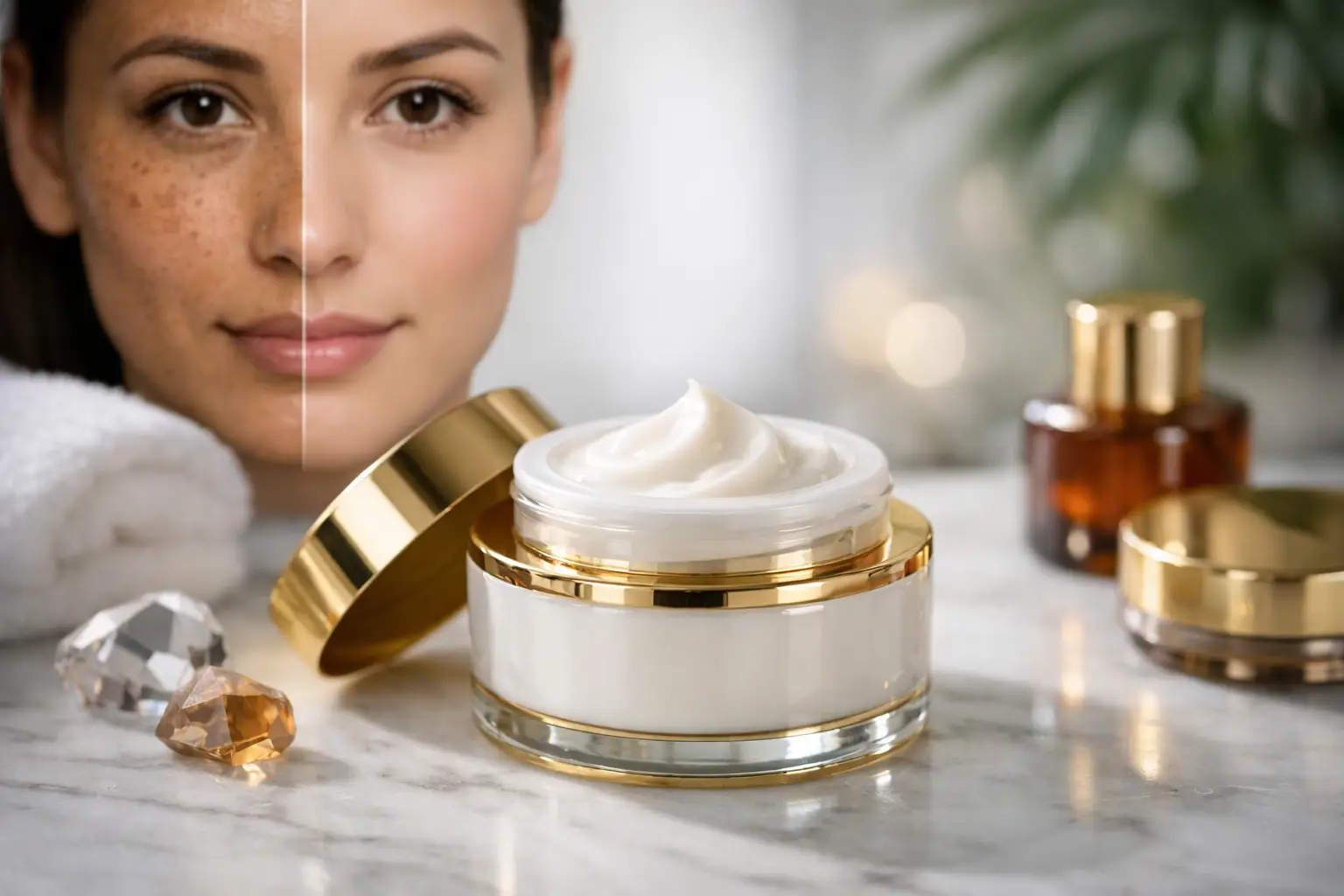

Dark marks can linger long after a spot, bite or irritation has gone, making the complexion appear less even even when skin is otherwise clear. This Makari Fade Cream review looks at what this targeted treatment is designed to do, who may enjoy it most and how to build it into a brightening routine without asking too much of your skin.
What Makari Fade Cream Is Designed to Target
Makari Fade Cream is a tone-correcting skincare product aimed at the appearance of dark spots, post-blemish marks, sun-related unevenness and areas of dull-looking skin. Rather than changing your natural skin tone, the sensible goal is a more uniform, radiant-looking complexion. That distinction matters. Healthy brightening is about supporting clarity and glow, not pursuing an unnatural result.
The Makari name is well known within specialist skincare for products focused on the appearance of uneven tone, particularly for melanin-rich skin. Fade creams are generally intended for localised concerns or for careful use across areas with visible discolouration, such as the cheeks, forehead, chin, hands or body.
Results are rarely immediate. A cream that promises an overnight transformation is not setting a realistic expectation for dark spots, which form beneath the skin’s surface and fade gradually as skin renews itself. Consistency, gentle application and daily sun protection make far more difference than applying extra product.
Makari Fade Cream Review: Texture, Feel and Routine Fit
A fade cream should feel easy enough to use consistently. Most shoppers looking at Makari want a treatment that can sit comfortably within an existing routine rather than a complicated replacement for every product on the shelf. Apply a small amount to clean, dry skin, focusing on the areas of uneven tone. If your skin is prone to sensitivity, begin on alternate evenings rather than using it every day from the start.
The right amount is usually less than expected. Using a thick layer will not fade marks faster, but it can increase the chance of discomfort or leave the skin feeling overloaded, especially when layered with a rich moisturiser or facial oil. Let the cream settle before following with moisturiser if your skin needs extra hydration.
For morning use, SPF is non-negotiable. UV exposure can deepen existing pigmentation and encourage fresh marks, undermining the purpose of any brightening product. A broad-spectrum SPF 30 or higher, applied generously and reapplied when needed, is the partner product that gives a fade cream its best chance to perform.
What to Check on the Ingredient List
Makari products can vary by collection and market, so always check the ingredient list on the exact product you are buying rather than relying on a formula from an older review. Brightening creams may include ingredients chosen to support a clearer-looking complexion, alongside moisturising ingredients that help maintain skin comfort.
Look for a formula that suits your own skin rather than chasing one headline ingredient. Hydrating ingredients can be especially useful if your dark marks are accompanied by dryness or a compromised skin barrier. If you are acne-prone, introduce the cream slowly and keep the rest of your routine uncomplicated so you can tell how your skin responds.
Be cautious about combining a fade cream with several strong actives at once. Exfoliating acids, retinoids, benzoyl peroxide and powerful vitamin C treatments can all have a place in a routine, but adding them together too quickly may lead to stinging, flaking or inflammation. Irritation can itself leave darker marks, particularly in deeper skin tones, which is the opposite of the result you want.
If you are pregnant, breastfeeding, managing a skin condition or using prescription treatment, ask a pharmacist, GP or dermatologist before introducing a targeted pigmentation product. This is also wise when discolouration appears suddenly, changes shape or does not improve over time.
Who May See the Best Results?
Makari Fade Cream may suit shoppers whose main concern is the appearance of post-acne marks, uneven patches or dullness rather than active, inflamed breakouts. It can be a good option for someone ready to commit to a patient routine and protect their skin from the sun every day.
It may be less suitable for very reactive skin, eczema-prone areas or skin that is currently sore, peeling or broken. In those cases, prioritising a simple barrier-supporting moisturiser and professional advice is often the better first step. A fade cream is a treatment, not a cure-all, and skin that is irritated rarely responds well to more intensive products.
The type of pigmentation also matters. Recent post-blemish marks often respond differently from long-standing melasma, deep sun spots or pigmentation linked to hormonal changes. For stubborn or widespread concerns, a dermatologist can help identify the cause and recommend the most appropriate approach.
How Long Does It Take to Work?
Give a targeted brightening routine at least six to eight weeks of steady use before judging early changes, unless irritation occurs. Some people notice a fresher-looking finish sooner because the skin feels more moisturised, but visible fading of marks usually takes longer. More established pigmentation may need several months of careful treatment and sun protection.
Take a photograph in the same natural light before you start, then compare every few weeks instead of checking the mirror every morning. This is a more honest way to see gradual improvement. Lighting, dehydration and even a poor night’s sleep can make skin look different from one day to the next.
The best results tend to come from a calm routine: gentle cleanser, Makari Fade Cream as directed, moisturiser when needed and daily SPF. Avoid picking blemishes, scrubbing dark marks or switching products every week. Skin responds better to consistency than constant experimentation.
A Practical Routine for Dark Spots
In the evening, cleanse away make-up, sunscreen and daily buildup with a product that does not leave the skin tight. Apply a small amount of Makari Fade Cream to the affected areas, then use a plain moisturiser if required. On nights when you use a retinoid or exfoliant, consider alternating rather than layering until you know your skin tolerates both.
In the morning, cleanse lightly if desired, moisturise and finish with broad-spectrum sunscreen. Make-up can be applied once skincare has settled. If you are treating body marks, the same principle applies: use the cream according to the product directions and cover exposed areas with sunscreen when wearing shorter sleeves, skirts or swimwear.
Patch testing is worth the extra day. Apply a little product to a discreet area, such as behind the ear or along the jawline, and monitor for redness, itching, burning or bumps. Stop use if irritation develops. A product can be excellent for many people and still not be the right match for your skin.
Is Makari Fade Cream Worth Considering?
For shoppers who want a dedicated product for uneven-looking tone, Makari Fade Cream is worth considering as part of a measured, skin-respecting routine. Its appeal lies in the focused format: it is designed for a common concern that can affect confidence, while remaining easy to pair with everyday skincare essentials. At Lovely Aura, it can sit alongside trusted cleansers, moisturisers and SPF choices to create a routine based on your skin’s needs.
The trade-off is patience. No fade cream can replace sun protection, erase every mark instantly or compensate for ongoing irritation. But used consistently, in the right routine and with realistic expectations, a targeted cream can help you give dark marks less of the spotlight and let your natural radiance take centre stage.
Choose progress over pressure: treat your skin gently, track changes over time and give a well-matched routine the chance to show what it can do.