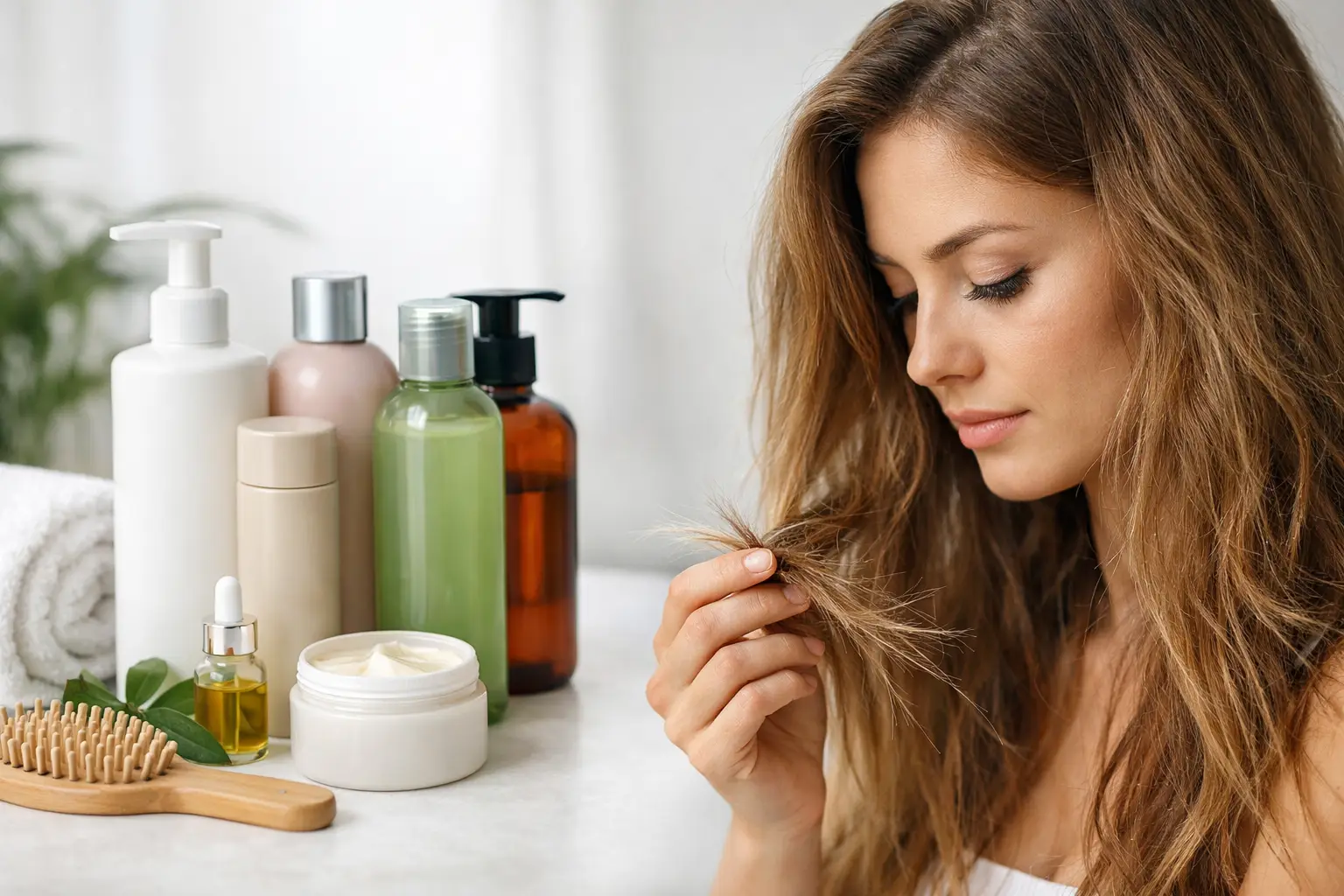

Bleaching appointments, heat styling, tight ponytails and even a change in water quality can leave hair looking dull long before it feels truly damaged. The best shampoos for damaged hair do more than create a fresh, foamy wash: they cleanse without making dry lengths feel rougher, help hair retain moisture and support a smoother, healthier-looking finish.
There is no single bottle that suits every damaged hair type. Fine hair can become flat under a rich formula, while thick, coily or highly bleached hair may need far more nourishment than a standard strengthening shampoo provides. The right choice starts with identifying what your hair is asking for after wash day.
What damaged hair needs from shampoo
Hair damage is not always dramatic breakage. It may show up as frizz that will not settle, tangled ends, a loss of shine, split ends, rough texture or colour that seems to fade faster than usual. Chemical processing, repeated heat exposure and mechanical stress from brushing can all weaken the outer cuticle, leaving strands less able to hold on to moisture.
A shampoo cannot permanently fuse split ends or reverse years of bleaching. What it can do is make a meaningful difference to how hair behaves between trims. A well-chosen formula removes oil, styling residue and pollution while avoiding the stripped, squeaky feeling that often makes fragile hair harder to manage.
Look for formulas that balance cleansing with conditioning benefits. Hydrating ingredients such as glycerin, panthenol, aloe vera and nourishing oils can improve softness. Proteins and amino acids can give temporarily weakened strands more support, while bond-focused formulas are designed for hair affected by colour, bleach or frequent heat styling. Ceramides and lipids can also be valuable for dry hair, helping it feel smoother and more protected.
The best shampoos for damaged hair by concern
1. Bond-building shampoo for bleached or coloured hair
If your hair feels stretchy when wet, snaps easily or has become noticeably porous after lightening, choose a bond-building or repair-focused shampoo. These formulas are designed for chemically stressed hair and often work best as part of a full routine with a matching conditioner or treatment.
Use a repair shampoo consistently, but do not expect instant transformation from one wash. Hair that has been heavily bleached often benefits from alternating repair care with moisture-focused care. Too much protein or intensive strengthening can make some hair types feel stiff, especially when moisture is missing.
2. Moisturising shampoo for dry, coarse lengths
Dryness and damage often sit together, but they are not exactly the same concern. Hair can be dry from its natural texture, cold weather, hard water or over-cleansing, even without major breakage. A creamy moisturising shampoo is usually the better choice when lengths feel coarse, puffy or difficult to detangle.
Seek out a gentle cleanser with humectants and emollients that leave hair supple rather than coated. This is particularly useful for textured, curly and coily hair, where natural scalp oils do not always travel easily down the length of the strand. Follow with a rich conditioner and detangle patiently, starting at the ends.
3. Gentle shampoo for fine damaged hair
Fine hair needs repair too, but heavyweight oils and butter-rich formulas can leave roots looking flat. The best option is often a lightweight strengthening shampoo that focuses on soft cleansing, proteins, panthenol or conditioning polymers without an overly rich finish.
Concentrate shampoo at the scalp and allow the lather to travel through the lengths as you rinse. There is rarely a need to scrub dry ends directly. Apply conditioner mainly from the mid-lengths down, then use a lightweight leave-in product before styling for extra slip and heat protection.
4. Colour-care shampoo for faded, stressed hair
Fresh colour looks expensive when it is glossy, even and soft. Unfortunately, aggressive cleansing and very hot water can make colour-treated hair lose that polished look sooner. Colour-care shampoos are made to be gentler on dyed hair and are a smart everyday choice for anyone who colours regularly.
For blonde, silver or highlighted hair, a purple shampoo can help reduce unwanted yellow tones. It is not usually the ideal daily repair shampoo, however. Use it only as often as your colour needs it, then return to a nourishing, colour-safe cleanser to keep hair balanced.
5. Clarifying shampoo for product build-up
Damaged hair still needs a properly clean scalp. Dry shampoo, hairspray, silicone-heavy styling products and mineral deposits can build up over time, leaving roots dull and lengths less responsive to conditioner. A clarifying shampoo can reset the hair, but it is a treatment step rather than an everyday staple for most people with damage.
Use one every few weeks, or when hair feels coated and limp despite washing. Follow immediately with a hydrating mask or intensive conditioner. If your hair is very dry, freshly bleached or prone to breakage, choose a gentler scalp-cleansing formula and keep clarifying washes occasional.
How to choose a shampoo that works for you
Start with your scalp, then consider your lengths. A scalp that gets oily within a day or two may need a more effective cleanser, even if the ends are dry. In that case, shampoo the roots thoroughly and protect the lengths with conditioner or a pre-wash oil treatment. Choosing an ultra-rich shampoo solely for dry ends can leave the scalp uncomfortable or greasy.
Next, think about the source of the damage. Heat-styled hair benefits from moisture and a heat-protecting leave-in product. Colour-treated or bleached hair is often a strong candidate for bond-building care. Hair damaged by frequent brushing, extensions or tight styles may need gentler handling as much as it needs a new shampoo.
Ingredient preferences matter, but they should not overrule your results. Sulphate-free shampoos can be a great option for dry, colour-treated or textured hair because they are often gentler, yet not every sulphate shampoo is automatically harsh. If you use lots of styling products or have an oilier scalp, a more thorough cleanser may suit you better when paired with a nourishing conditioner.
Make your shampoo work harder
The way you wash can protect damaged hair just as much as the formula itself. Wet hair fully with lukewarm water, then use a small amount of shampoo on the scalp. Massage with fingertips, not nails, and rinse well. A second shampoo can be helpful after heavy styling or several days between washes, but it is not compulsory every time.
Conditioner is not an optional extra for damaged lengths. After shampooing, apply it generously through the mid-lengths and ends, leave it on for the recommended time and rinse with cool-to-lukewarm water. Once a week, swap your usual conditioner for a mask chosen for moisture, repair or colour care.
Keep heat styling realistic. Lower temperatures, fewer passes with straighteners and a reliable heat protectant can make more difference than buying another repair product. A microfibre towel or soft cotton T-shirt is kinder than rough towel-drying, and a wide-tooth comb can reduce breakage while hair is wet and vulnerable.
Signs it is time to change your shampoo
Give a new shampoo two to four weeks unless it causes immediate irritation, excessive dryness or a heavy residue. Hair may need time to adjust to a different cleansing level, especially if you are moving from a rich formula to a lighter one.
Change course if roots feel greasy soon after washing, your scalp is itchy, lengths become harder to detangle or hair feels brittle after every wash. This does not necessarily mean the product is poor. It may simply be too rich, too cleansing or too protein-focused for your current needs. Seasonal changes, colour appointments and styling habits can all alter what works.
A quality shampoo is the foundation of a stronger-looking routine, not a replacement for regular trims or careful styling. Choose the formula that leaves your scalp fresh and your lengths soft enough to handle with confidence, then give it the support of conditioner, protection and a little patience. Your healthiest-looking hair is built in the small choices you repeat every wash day.