
Your skin can feel tight after cleansing yet still look shiny by lunchtime. It may seem like you need a richer cream, but dehydration, excess oil and uneven texture do not always call for the same product. The face serum vs moisturiser question matters because these two skincare staples do different jobs – and using them together can make your routine feel more effective, comfortable and tailored to your skin concern.
Face serum vs moisturiser: the key difference
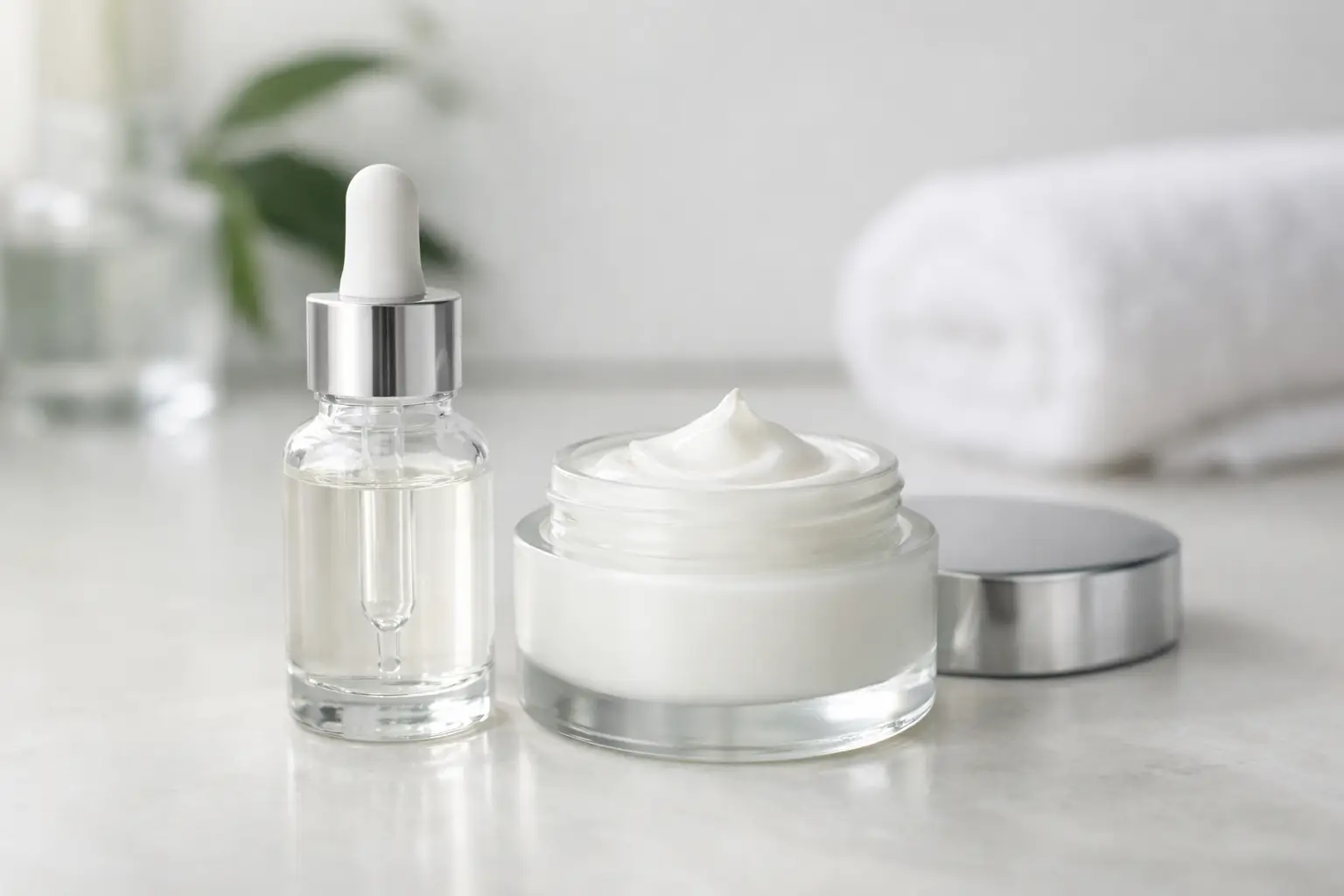
A face serum is a lightweight treatment designed to deliver targeted ingredients to the skin. It is usually thinner than a cream or lotion, with a fluid, gel-like or silky texture that absorbs quickly. Serums are made for concerns you want to address more directly, such as dullness, the appearance of dark spots, dehydration, uneven tone, fine lines or blemishes.
A moisturiser is primarily there to support the skin barrier and reduce water loss. It adds moisture, softness and comfort, while helping to seal in the hydration already present in the skin. Depending on the formula, it may come as a gel, lotion, cream or balm. A good moisturiser can also include ingredients that soothe, nourish and protect the skin from feeling dry or compromised.
Think of serum as your targeted step and moisturiser as your essential finishing layer. One is not automatically better than the other. The right choice depends on what your skin needs that day, your routine, the weather and the ingredients already in your products.
What a face serum can do for your skin
Serums are often chosen for visible, concern-led results. Because they are formulated with concentrated active or supportive ingredients, they can help you build a routine around a specific goal rather than simply adding another layer of hydration.
For skin that looks dull or uneven, brightening serums may contain vitamin C, niacinamide or other complexion-supporting ingredients. If the concern is dehydration, look for humectants such as hyaluronic acid and glycerin, which attract water to the skin and create a smoother, bouncier appearance. For blemish-prone skin, a carefully chosen serum may help refine the look of pores or balance excess oil without the heavy feel of some richer creams.
Those focused on the appearance of dark marks and uneven tone may prefer a targeted formula that fits alongside a consistent moisturising routine. Results take time, especially with pigmentation concerns. Daily sun protection is also essential, as sun exposure can make existing marks appear darker and make it harder to see the benefits of your routine.
A serum should feel purposeful, not complicated. If your routine already includes strong exfoliating acids, retinoids or prescription skincare, avoid introducing several high-strength actives at once. More products do not always mean better results. A calm, consistent routine usually gives skin the best chance to look its best.
Why moisturiser is not optional for most routines
Moisturiser is sometimes dismissed by people with oily or blemish-prone skin, but skipping it can leave the complexion feeling stripped and uncomfortable. When skin lacks moisture, it may look less smooth, feel tight after cleansing and become more reactive to the treatments you apply.
The best texture depends on your skin type and preferences. Lightweight gels and lotions can suit combination or oily skin, especially in warmer weather or under make-up. Creams are often a better match for dry skin, mature skin or anyone dealing with flaking and tightness. Richer balms may be useful for very dry areas, particularly during cold weather, although they can feel too heavy for some complexions.
Look beyond labels such as “for dry skin” and consider the formula itself. Humectants draw in moisture, while emollients soften rough texture. Occlusive ingredients form a protective layer that slows water loss. A balanced moisturiser may combine all three, making it a reliable everyday choice for skin that needs comfort as well as a healthy-looking glow.
Do you need both serum and moisturiser?
For many people, yes. A serum and moisturiser work particularly well as a pair because they serve different purposes. Apply a water-based serum after cleansing, then follow with moisturiser to support the skin barrier and help prevent that hydration from evaporating too quickly.
However, there are sensible exceptions. If you have a very simple routine, a well-formulated moisturiser may be enough. Some moisturisers include beneficial ingredients such as niacinamide, ceramides or hyaluronic acid, so they can offer more than basic hydration. This is ideal if you prefer fewer steps, are new to skincare or want an easy routine for busy mornings.
On the other hand, if you have a clear concern such as dehydration, dullness or the look of post-blemish marks, adding a serum can give your routine a more focused edge. It is a practical way to personalise your skincare without replacing the moisturiser that keeps your skin feeling balanced.
How to layer serum and moisturiser correctly
The order is simple: apply from thinnest to thickest texture. After cleansing, use toner or essence if it is part of your routine, then apply your serum. Give it a moment to spread and settle, before applying moisturiser. In the morning, finish with a broad-spectrum SPF suitable for everyday wear.
You do not need to wait for every layer to dry completely. A minute is usually enough, and applying moisturiser while the skin still feels slightly fresh can be especially pleasant when using a hydrating serum. Use only the amount your skin needs. Two or three drops of serum are often sufficient, while a small amount of moisturiser can be warmed between the fingers and pressed gently across the face and neck.
If your serum pills under moisturiser or make-up, the issue may be too much product, incompatible textures or rubbing the skin too vigorously. Reduce the amount, press rather than drag, and allow each layer a short moment to settle. Silicone-rich primers and some SPF formulas can also affect how products sit together, so a little trial and adjustment is normal.
Choosing by skin concern
Dry or dehydrated skin benefits from a hydrating serum followed by a nourishing cream. The serum can bring a fresh, plumped look, while the moisturiser helps hold onto that comfort throughout the day. If your skin feels dry but also looks oily, you may be dehydrated rather than in need of a heavy formula. Try a water-based serum and a light barrier-supporting moisturiser first.
For oily or combination skin, choose an airy serum and a non-greasy gel-cream or lotion. Avoid the temptation to over-cleanse or skip moisturiser completely. Skin that feels clean does not need to feel squeaky or tight.
For dullness, uneven tone and the appearance of dark spots, introduce one targeted brightening serum and keep the rest of your routine gentle. Pair it with a moisturiser that does not irritate your skin, and wear SPF daily. Consistency matters far more than changing products every week.
Sensitive or eczema-prone skin often responds best to a pared-back approach. Fragrance-free, barrier-focused moisturiser may be the priority, with new serums introduced slowly and one at a time. Patch test where possible, and stop using a product if it causes persistent stinging, redness or itching.
Build a routine that feels like self-care
The best face serum vs moisturiser choice is not about filling your shelf with products. It is about choosing formulas that fit your skin, your budget and the time you realistically have each day. Trusted brands offer options at different price points, so a dependable routine can feel premium without becoming complicated.
At Lovely Aura, you can shop skincare by concern and find familiar everyday essentials alongside targeted formulas for hydration, brightening and a more even-looking complexion. Start with the basics, give your skin time to respond, and let your routine become one small, confidence-building moment you can look forward to.