
A full face of long-wear foundation, SPF and mascara asks more of your cleanser than a quick splash of water. In the micellar water vs cleansing balm debate, there is no single winner for every skin type or routine. The better choice is the one that removes what is on your skin thoroughly, without leaving it tight, irritated or coated in residue.
Both formats can earn a place on your bathroom shelf. Micellar water offers fast, low-fuss cleansing for busy mornings, gym bags and light makeup days. A cleansing balm brings a more indulgent, thorough first cleanse that can lift stubborn makeup and daily sunscreen with minimal rubbing. Knowing the difference helps you shop with confidence and build a routine that supports a clearer, more comfortable-looking complexion.
Micellar water vs cleansing balm: the key difference
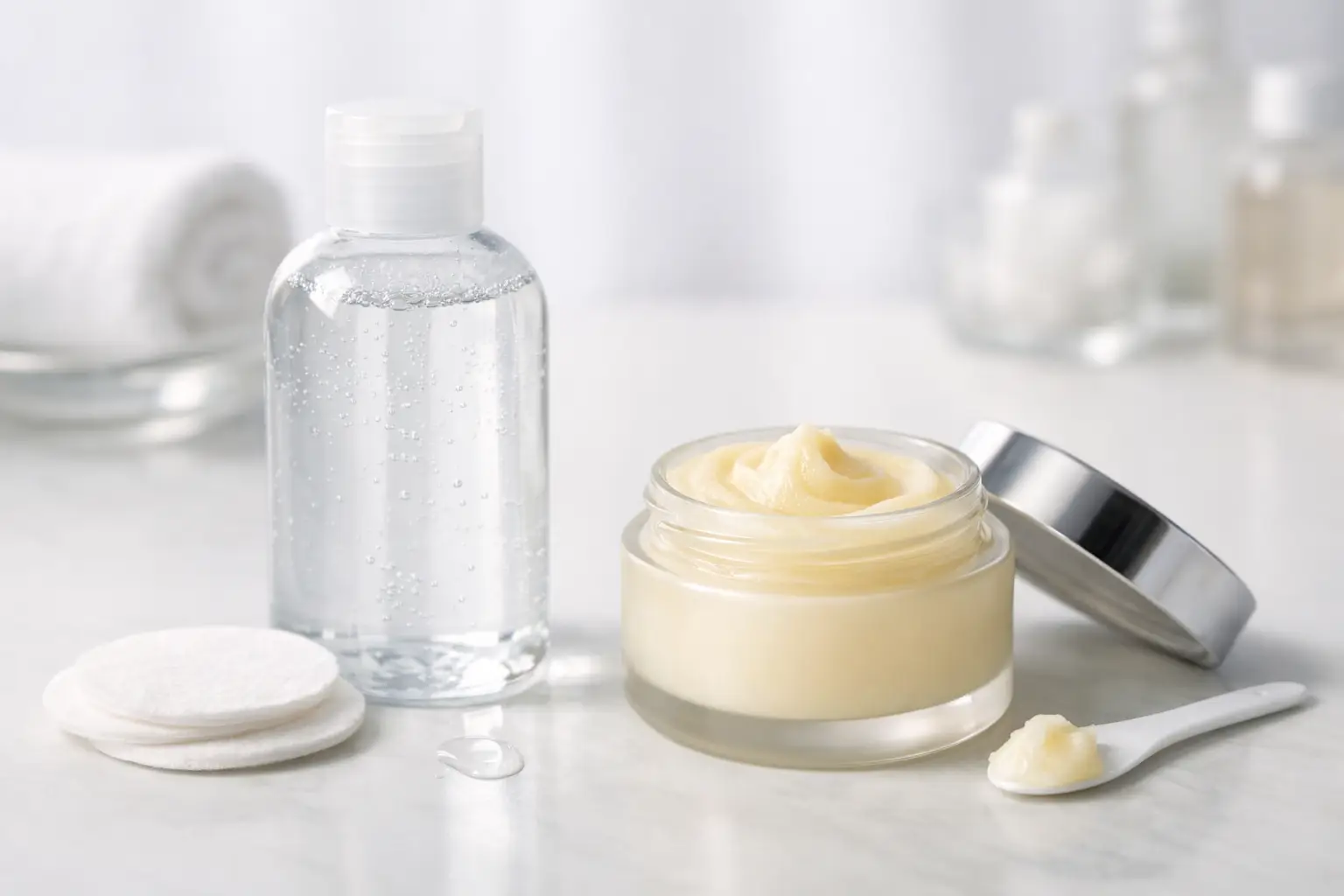
Micellar water is a water-based cleanser containing tiny cleansing molecules called micelles. These attract oil, makeup and dirt so they can be swept away with a cotton pad. It is lightweight, quick to use and usually leaves no oily feel, which explains why it is a favourite for a refresh between work, travel and evening plans.
A cleansing balm is typically an oil-based, solid-to-silky cleanser. Massage it onto dry skin and it melts down, helping to dissolve makeup, sebum, sunscreen and pollution particles. When you add water, many balms emulsify into a milky texture that rinses away. This makes them especially useful as the first step in a double-cleansing routine.
The practical distinction is simple: micellar water relies on a pad and gentle wiping, while cleansing balm relies on massage and rinsing. One is built for convenience; the other is designed for a more complete makeup-removing experience.
Choose micellar water for speed and light cleansing
Micellar water makes sense when time is short and your makeup is minimal. It is an easy option for removing tinted moisturiser, blusher, brow products and a small amount of non-waterproof mascara. It can also be useful for tidying eyeliner, correcting lipstick edges or refreshing skin after a workout when a full cleanse is not possible straight away.
For sensitive or reactive skin, a simple fragrance-free micellar water can feel less overwhelming than heavily perfumed wipes or harsh foaming cleansers. The key is technique. Soak the cotton pad rather than rubbing with a barely damp one, hold it over the eye area for a few seconds, then wipe gently. Repeated friction can leave even resilient skin looking red and feeling sore.
Micellar water is not always enough for high-coverage makeup, water-resistant SPF or a full evening glam look. You may need several pads to get them off, which can mean more pulling around the eyes and more waste. If your skin still feels slippery, looks streaky on a clean pad, or breaks out after regular use, your removal step may not be thorough enough.
Although many formulas are marketed as no-rinse, rinsing afterwards or following with a gentle face wash can be worthwhile, particularly if you are acne-prone or easily congested. Cleansing ingredients left on the skin can bother some people, even in an otherwise mild formula.
Micellar water is often best for
It works particularly well for normal, oily or combination skin on light-makeup days, and for anyone who values a quick, portable routine. It is also a sensible choice for a morning cleanse if you prefer something gentle before applying moisturiser and SPF.
Choose a cleansing balm for makeup, SPF and comfort
A cleansing balm is a strong choice when your day includes layers: primer, foundation, concealer, setting spray, waterproof mascara and sunscreen. Oils are naturally effective at loosening oil-based products, so a balm can remove them without the repeated swiping that often comes with cotton pads.
The massage step is part of the appeal. On dry hands and dry skin, take a small amount of balm and work it over your face in slow, light movements. Pay attention to the hairline, sides of the nose and jaw, where foundation and sunscreen can linger. Add a little lukewarm water to emulsify, then rinse well. Your skin should feel soft and clean, not greasy.
Dry, dehydrated and mature skin often enjoys the cushiony feel of a balm. A well-formulated option can make makeup removal feel like a moment of care rather than another chore, helping to avoid the stripped feeling that encourages people to over-moisturise afterwards.
However, richer is not automatically better. If you are very oily, acne-prone or prone to clogged pores, look for a balm that emulsifies cleanly and avoid leaving residue behind. A second cleanse with a mild gel or cream cleanser can be a smart move at night, especially if you wear SPF daily. This is not about making skin feel squeaky clean – that sensation can signal dryness – but about removing the balm, dissolved makeup and the day’s build-up completely.
Cleansing balm is often best for
A balm suits dry or dehydrated skin, full-coverage makeup wearers and anyone who wears water-resistant sunscreen or eye makeup. It is also ideal when you enjoy a more considered evening ritual and want an effective first cleanse that feels luxurious without requiring aggressive scrubbing.
What about oily, sensitive and blemish-prone skin?
Skin type matters, but the formula and your routine matter just as much. Oily skin can use a cleansing balm successfully. In fact, trying to remove oil with overly harsh products can leave skin uncomfortable and encourage more visible shine. Choose a balm that rinses easily, use a modest amount and follow with a gentle water-based cleanser if you need it.
For blemish-prone skin, avoid judging a cleanser by texture alone. A balm does not automatically cause spots, and micellar water does not automatically prevent them. What matters is whether makeup and sunscreen are fully removed, whether the product irritates your skin, and whether you are leaving residue that does not agree with you. Introduce one new product at a time so you can see how your skin responds.
Sensitive skin benefits from fewer potential irritants. Look for fragrance-free options where possible, and be cautious with essential oils if you know they trigger redness or stinging. With micellar water, minimise rubbing. With a cleansing balm, keep the massage gentle and rinse with lukewarm rather than hot water. Patch testing is a sensible precaution if your skin is eczema-prone or reactive.
Can you use both in one routine?
Yes, but you rarely need to use both for the same job. Think of them as alternatives for your first removal step, chosen according to the day you have had. Micellar water is useful for light makeup or quick correction. Cleansing balm is usually the more efficient choice for a full makeup face and dependable SPF removal.
At night, a simple double cleanse can work beautifully: start with a cleansing balm to break down makeup and sunscreen, then use a gentle water-based cleanser to wash away the remaining residue. In the morning, most people only need a light cleanse, a rinse with water, or micellar water followed by a rinse, depending on their skin’s needs.
Avoid over-cleansing simply because you have several products available. If your face feels persistently tight, flaky or stingy, simplify your routine and reduce how often you cleanse. Consistency and comfort usually deliver better results than chasing a complicated routine.
How to make the right choice for your routine
Start with what you wear. For a quick daytime refresh or light base makeup, micellar water offers easy, affordable convenience. For waterproof mascara, long-wear foundation, daily SPF and a proper evening reset, cleansing balm is often the more effective investment.
Then consider the finish you enjoy. If you like a clean, weightless feel and do not mind using cotton pads, micellar water may become your everyday essential. If you want your evening cleanse to feel soft, comforting and more luxurious, a balm may suit you better. Trusted skincare brands offer both formats, so you can choose a formula that fits your budget, ingredients preferences and skin concerns.
Your cleanser should make the rest of your routine work harder, not create a problem your serum or moisturiser has to fix. Choose the format that leaves your skin properly clean, calm and ready for the products that help you feel your most confident.