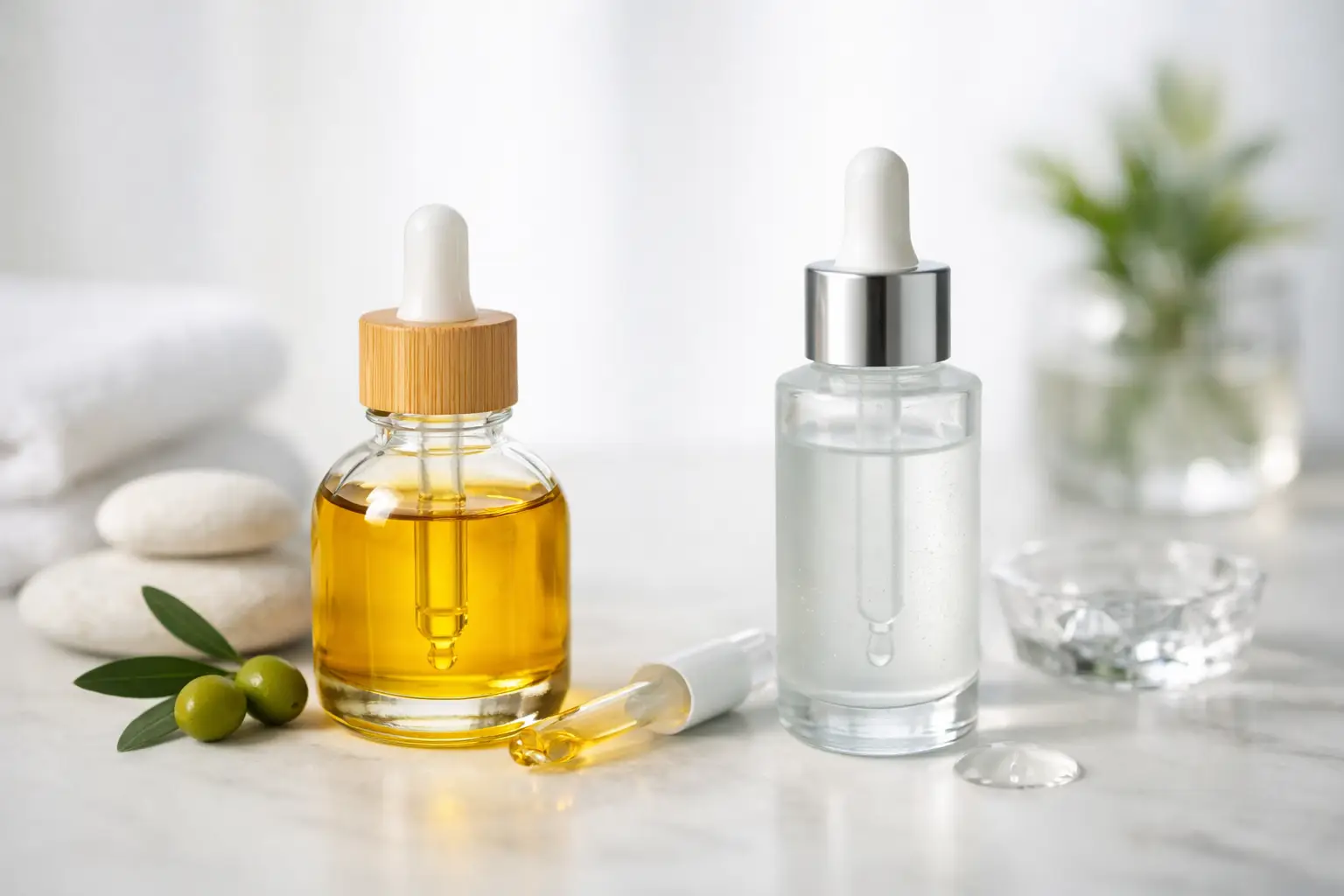

A glowing routine is not about using the most products. It is about choosing formulas that meet your skin where it is. The face oil vs serum question comes up because both can leave skin looking healthier, smoother and more comfortable, yet they work in very different ways.
If your complexion feels tight after cleansing, looks dull beneath make-up, or needs more support around dark spots and uneven tone, knowing the difference can help you shop with confidence. A serum is usually the targeted treatment step. A face oil is usually the comforting, moisture-sealing step. Many routines benefit from both, but neither is automatically right for every skin type or concern.
Face oil vs serum: the key difference
Serums are lightweight skincare treatments made to deliver specific ingredients to the skin. Their texture may be watery, gel-like, milky or lightly fluid, and they are commonly chosen for concerns such as dehydration, dullness, fine lines, blemishes, uneven texture and the appearance of dark spots. Think of a serum as the focused step in your routine: it is where you select a formula based on the result you want to see.
Face oils are blends of oils and oil-soluble ingredients that soften the skin and support its moisture barrier. They create a nourishing layer on the surface, helping skin feel less dry and look more supple. Some oils feel rich and cocooning, while others are thin and quick-absorbing. Their main strength is comfort, softness and reducing the feeling of moisture escaping from the skin.
The simplest way to remember it is this: a serum treats, while a face oil seals and conditions. That is not a hard rule, as formulas vary, but it is a useful place to start.
What a serum can do for your routine
A well-chosen serum gives your routine direction. If dehydration is making your face look tired or make-up is catching on dry patches, a hydrating serum can bring back a fresher, bouncier look. If uneven tone is your priority, a brightening or tone-correcting serum may be a more purposeful choice than adding another general moisturiser.
Serums are popular because they layer easily. Most are designed to sit comfortably beneath moisturiser and SPF in the morning, or beneath a richer night cream in the evening. This makes them practical for shoppers who want visible skincare benefits without a heavy finish.
Choose a serum by concern rather than by trend. Hyaluronic acid and glycerin are favourites for dehydrated skin. Niacinamide can suit routines focused on excess shine, uneven-looking tone and a compromised-feeling barrier. Vitamin C is often selected for radiance and antioxidant support in a daytime routine. Retinoid serums are commonly used at night for texture and signs of ageing, but they need a gradual introduction and consistent daytime SPF.
More active ingredients do not always mean better results. Sensitive or eczema-prone skin can react to over-layering, especially when several exfoliating, brightening or retinoid products are used together. Start with one targeted serum, use it consistently, and give your skin time to respond.
Who is a serum best for?
A serum is a strong first choice if you have a clear concern you want to address. It can be especially helpful for skin that is dehydrated but not necessarily dry, for dullness, visible uneven tone, post-blemish marks or a rough-looking texture. Oily and combination skin often enjoy the light feel of a serum, too.
That said, serum alone may not be enough for dry skin. Humectant-based serums draw water into the upper layers of the skin, but they still need a moisturiser on top to help keep that hydration in place. This is where a face oil can become a useful extra, particularly in colder months or overnight.
What face oil brings to dry, dull skin
Face oil is less about delivering a high concentration of water-based actives and more about replenishing lipids. These are the naturally occurring fatty components that help your skin feel flexible, comfortable and protected. When the barrier is struggling, skin can feel rough, flaky or tight even after you have applied moisturiser.
A few drops of face oil can give dry skin a smoother finish and a healthy-looking sheen. It can also make an evening routine feel more indulgent without adding several extra steps. For mature skin, very dry complexions or anyone experiencing seasonal tightness, oil can be the detail that makes a routine feel complete.
Not every oil leaves a glossy, heavy finish. Squalane is often appreciated for its light, silky texture. Jojoba-based formulas tend to feel balanced and conditioning. Richer plant oils may be better reserved for night-time or areas that feel particularly dry. The formula matters more than the word “oil” on the label.
Is face oil suitable for oily or blemish-prone skin?
It can be, but it depends on the formula and how your skin responds. Oily skin still needs moisture and barrier support. Skipping moisturising steps altogether can leave skin feeling uncomfortable and may encourage people to over-cleanse, which is rarely helpful.
However, if you are prone to congestion or active breakouts, choose a lightweight, non-greasy oil and introduce it slowly. Apply only one or two drops over moisturiser at night rather than mixing several products together. If your skin becomes more congested, simplify your routine and focus on a gentle cleanser, suitable treatment serum and light moisturiser instead.
Face oil is also not a replacement for SPF. Oils may create a beautiful glow, but they do not provide reliable daily sun protection unless a product is specifically labelled and used as an SPF. For a daytime routine, sunscreen remains the final essential step.
How to layer serum and face oil
Application order makes a difference. As a general rule, layer from the thinnest texture to the thickest. After cleansing, apply your serum to slightly damp skin, then follow with moisturiser. If you want to use a face oil, press it on afterwards to seal in the comfort of your routine.
In the morning, many people find that serum, moisturiser and SPF are enough. A face oil can sometimes cause make-up to slip if too much is used, although a single drop mixed into moisturiser may work well for dry skin. At night, you have more freedom to use a richer cream or oil without worrying about the finish beneath foundation.
There are a few exceptions. Some oil-based treatment products are made for a particular step, so always check the product directions. If you use a prescription treatment or potent active, it is sensible to keep the rest of the routine calm and simple. Apply new products one at a time and patch test where appropriate.
Choosing the right option for your skin concern
If your biggest concern is dryness, use both if your skin enjoys them: a hydrating serum beneath moisturiser, followed by a few drops of face oil at night. If dehydration is the issue but you dislike rich textures, a serum and barrier-supporting moisturiser may give you the results you want without oil.
For dullness and uneven-looking tone, begin with a targeted serum. Brightening results are usually linked to consistent use of suitable active ingredients and daily SPF, not simply adding more oil. A face oil can still provide a beautiful glow, but it will not do the same job as a tone-focused serum.
For combination skin, tailor the texture to the season. You may love a lightweight serum and gel-cream in warmer weather, then add a nourishing oil to dry cheeks when the air turns cold. Skincare does not need to be all or nothing.
For sensitive skin, look for fragrance-free, uncomplicated formulas and avoid changing everything at once. Comfort and consistency often deliver more than an overcrowded shelf of treatments. If irritation, persistent redness or eczema symptoms are a concern, seek advice from a pharmacist, dermatologist or other qualified professional before introducing strong actives.
At Lovely Aura, finding trusted skincare across everyday and specialist ranges means you can build a routine around your real concerns, whether that is a thirsty complexion, a brighter-looking finish or extra overnight nourishment. Choose the formula that fits your skin now, then adjust as the season, your routine and your skin’s needs change.