
If your skincare routine looks right on the shelf but still feels underwhelming on your skin, the issue may be simpler than the products themselves. Serum vs moisturiser order is one of the most common routine mistakes, and it can affect how well your skincare absorbs, hydrates, and delivers visible results.
Getting the order right is not about making your routine longer or more complicated. It is about helping each formula do its job properly, whether you are targeting dehydration, dullness, dark spots, uneven tone, or a weakened skin barrier.
Serum vs moisturiser order: which goes first?
In most routines, serum goes first and moisturiser goes second.
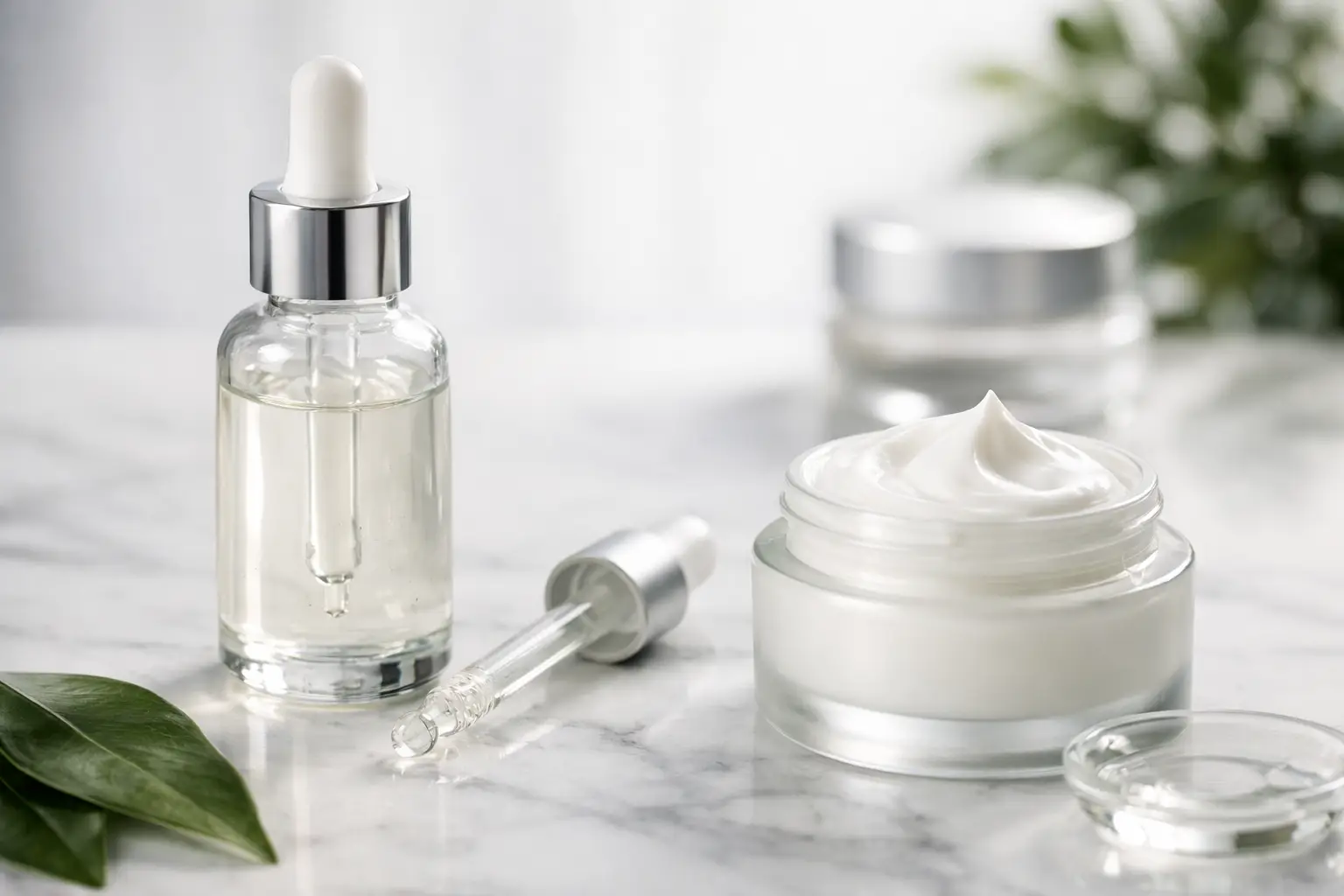
That is the general rule because serums are usually lighter, more concentrated formulas designed to deliver active ingredients deeper into the skin. Moisturisers are typically richer and are designed to seal in hydration, support the skin barrier, and reduce moisture loss. If you apply moisturiser first, it can make it harder for your serum to absorb as intended.
Think of it as layering from the most lightweight product to the richest. This approach gives your skin the best chance to benefit from both steps without wasting product.
Why the order matters more than people think
A good serum can help brighten, smooth, hydrate, calm, or refine the look of skin. A good moisturiser can soften, replenish, and lock everything in. But if the order is wrong, even premium skincare can feel less effective.
When serum is applied to clean skin first, it has direct contact with the surface and can spread more evenly. When moisturiser follows, it helps reduce transepidermal water loss and keeps the skin feeling comfortable for longer. That matters even more if you are using targeted formulas for concerns such as dark spots, dehydration, or sensitivity.
This is also where shopping by skin concern becomes useful. If your focus is glow, hydration, blemish support, or tone correction, the right order helps you get more from both affordable staples and prestige formulas.
How to layer serum and moisturiser properly
Start with cleansed skin. If you use a toner or essence, apply that before your serum. Then smooth your serum over the face and neck using a small amount. You do not need to drench the skin. A few drops is usually enough.
Give the serum a short moment to settle. It does not need ten minutes, but applying moisturiser immediately while the serum is still sliding around can make the layers pill. Once the skin feels slightly tacky or almost dry, apply your moisturiser over the top.
In the morning, finish with SPF. At night, your moisturiser is usually the final step unless you use a facial oil or overnight treatment.
Serum vs moisturiser order for different skin types
The standard rule works for most people, but texture and skin type can change how each product feels.
Dry or dehydrated skin
If your skin often feels tight, rough, or thirsty, a hydrating serum followed by a richer moisturiser is usually the best pairing. Hyaluronic acid serums, barrier-supporting formulas, and cream moisturisers can work especially well together. Here, the serum adds water-binding hydration and the moisturiser helps keep it there.
If your skin is very dry, applying moisturiser while skin is still slightly damp from serum can help trap extra hydration. The key is comfort without heaviness.
Oily or combination skin
Many people with oily skin skip moisturiser because they worry about shine. In reality, using only serum can leave skin unbalanced, especially if the serum contains strong actives. A lightweight gel or lotion moisturiser after serum can help maintain balance without making skin feel greasy.
If your serum is already hydrating, choose a lighter moisturiser rather than skipping it entirely. Skin still needs barrier support, even when it produces excess oil.
Sensitive skin
With sensitive or reactive skin, texture matters less than tolerance. A calming serum under a simple moisturiser is often the safest order. Avoid layering too many strong actives at once, and keep fragrance and exfoliating acids in check if your skin is already irritated.
Some people with sensitivity prefer applying a very light moisturiser after serum and stopping there. Others may even use the moisturiser to buffer stronger treatments on certain nights. That is where routine order becomes more flexible.
When the usual serum vs moisturiser order can change
There are a few exceptions where the standard advice needs adjusting.
If your serum is oil-based
Most serums are water-based and should go before moisturiser. But if your serum is a facial oil or a heavily oil-based treatment, it may work better after moisturiser or as the last step at night. Oils can form more of a seal, so putting them on too early may block lighter products.
This is why reading the product texture matters just as much as the label. Not every product called a serum behaves the same way.
If you are using strong actives
Retinol, exfoliating acids, and some blemish treatments can be powerful. If your skin is easily irritated, a common trick is to apply a light layer of moisturiser before and after the active. This is often called buffering. It can reduce the chance of dryness while still allowing the product to work.
That does not mean every active should go on top of moisturiser as standard. It simply means your routine can be adjusted when comfort and skin barrier support need priority.
If the brand gives specific directions
Some formulas are designed to be used in a set way. If the packaging says apply to dry skin only, or use after cream, follow that guidance first. Product chemistry matters, and instructions can vary between brands and ingredient systems.
Common mistakes that make layering less effective
One of the biggest mistakes is using too much product. More serum does not always mean better results. In fact, heavy layers can lead to pilling, stickiness, and wasted formula.
Another issue is pairing incompatible textures. If a silicone-rich serum rolls up under a thick cream, the problem may not be the order alone. Sometimes it is the combination.
There is also the temptation to keep adding steps in pursuit of faster results. But a routine packed with multiple serums, treatment creams, and rich moisturisers can overwhelm the skin. For most people, a focused routine with the right order works better than a crowded one.
Morning and evening routine differences
Your serum vs moisturiser order usually stays the same in the morning and at night, but the product choice may change.
In the morning, many people prefer antioxidant or hydrating serums followed by a moisturiser that sits well under SPF and makeup. Lightweight textures tend to layer better during the day.
At night, you may reach for more treatment-focused serums such as retinol, niacinamide, or reparative formulas, followed by a cream that feels more nourishing. This is often the best time to use richer products, because you are not trying to keep shine under control or make makeup behave.
How to tell if your order is working
When your layering order suits your skin, products absorb more comfortably and your routine feels easier, not heavier. Your skin should feel hydrated, smooth, and supported rather than sticky, tight, or overloaded.
Over time, you may also notice more consistent results from your chosen products. Brightening serums may look more effective, dehydrated skin may feel calmer, and your moisturiser may seem to last longer through the day or night.
If your skin feels congested, greasy, or irritated, the problem may be the formula itself rather than the order. That is why it is worth looking at the full routine, not just one step in isolation.
Choosing the right serum and moisturiser together
The smartest routine is not about chasing the most expensive formula or using the highest number of actives. It is about choosing products that work well together and fit your skin goals.
If you want hydration, pair a hydrating serum with a barrier-supporting moisturiser. If you want brighter-looking skin, use a targeted serum with a moisturiser that keeps the skin comfortable and balanced. If you are dealing with dryness, tone concerns, or dullness, consistency matters more than overcomplication.
That is where a retailer with a broad skincare range becomes useful. Having access to trusted favourites, dermatologist-recognised brands, and targeted treatments in one place makes it easier to build a routine that feels both effective and affordable.
The best skincare routine is not the one with the most steps. It is the one that gives your skin what it needs, in the right order, every single day.