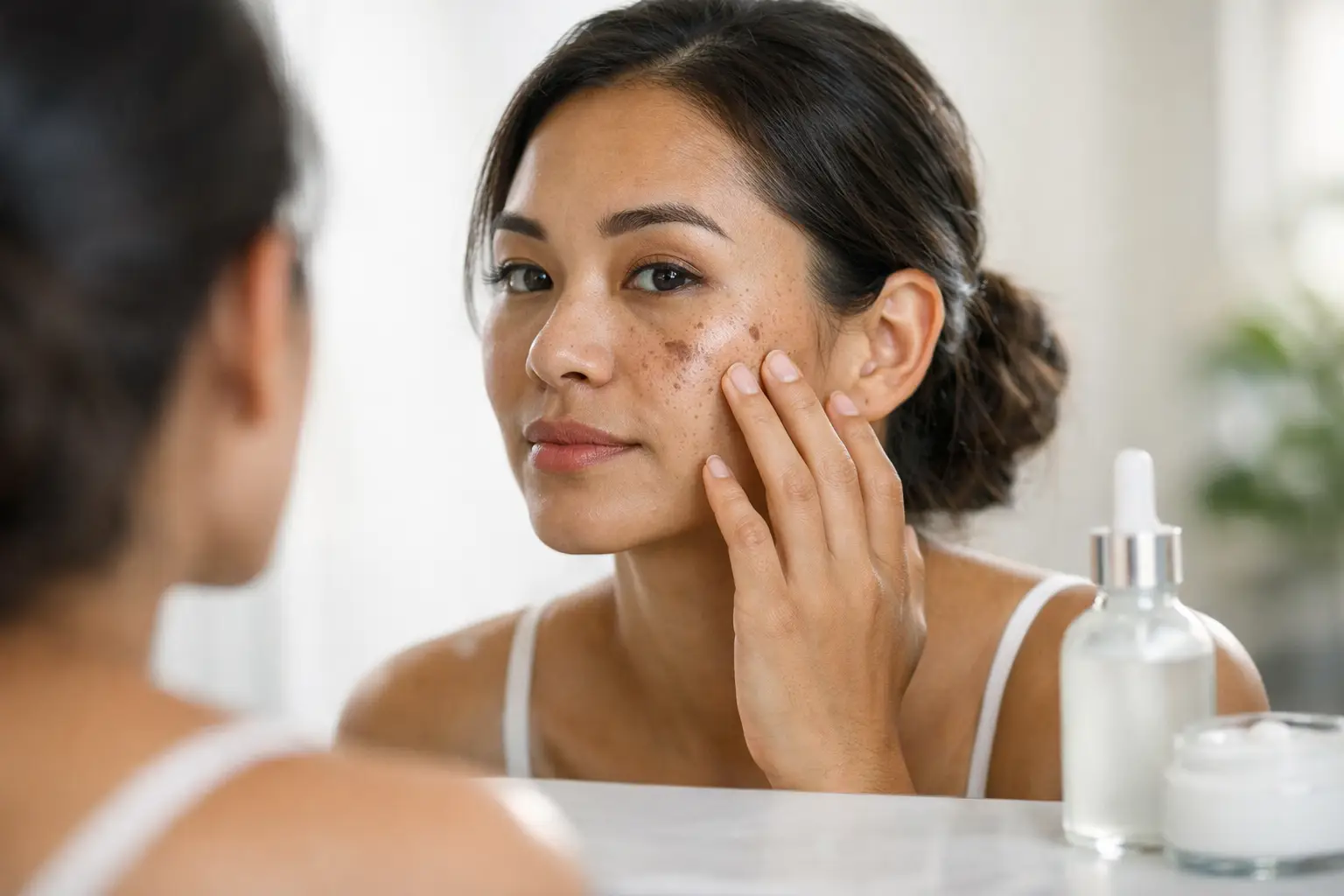

Dark spots have a way of lingering long after the breakout, irritation or sun exposure that caused them has passed. That is exactly why niacinamide for dark spots has become such a popular skincare choice – it is gentle, versatile and easy to work into both simple and more advanced routines.
For shoppers who want visible results without making their routine feel complicated, niacinamide sits in a very appealing middle ground. It is well known, widely used by trusted skincare brands, and suitable for many skin types. But the real question is not whether it is trendy. It is whether it can actually help fade marks and improve uneven tone in a way you will notice in the mirror.
How niacinamide for dark spots works
Niacinamide is a form of vitamin B3. In skincare, it is valued for supporting the skin barrier, helping to calm the look of redness, balancing excess oil and improving the appearance of uneven tone. When it comes to pigmentation, its role is a little more specific.
Rather than aggressively peeling the skin, niacinamide helps interrupt the transfer of pigment within the skin. That matters because dark spots often become more obvious when excess pigment builds up in certain areas. By helping reduce that visible unevenness over time, niacinamide can make post-blemish marks and patches of discolouration look less noticeable.
This is one reason it appeals to so many people. Some brightening ingredients can feel harsh, especially on skin that is already reactive, dehydrated or compromised. Niacinamide is generally considered a more skin-friendly option, so it often suits people who want a steadier approach rather than a fast but irritating one.
What kind of dark spots can niacinamide help with?
This is where expectations matter. Not every dark mark behaves the same way, and results depend on what caused the pigmentation in the first place.
Niacinamide can be especially helpful for post-inflammatory hyperpigmentation. These are the marks left behind after acne spots, picking, shaving irritation or minor skin trauma. They can look brown, grey, tan or deeper in tone depending on your complexion. If your skin is prone to breakouts, this is often the type of discolouration you are trying to fade.
It may also help with general uneven tone caused by sun exposure and dullness. If your complexion looks patchy rather than severely pigmented, niacinamide can gradually create a brighter, more refined overall look.
For more stubborn pigmentation, such as melasma or long-standing sun spots, niacinamide can still be useful, but it may not be enough on its own. In those cases, it often works best as part of a broader routine with other targeted ingredients. The upside is that it usually layers well, which makes it easier to combine with more active formulas.
How long does niacinamide take to fade dark spots?
This is the part most people really want to know. Niacinamide is not an overnight fix. If a product promises instant fading, be sceptical.
Most people need several weeks of consistent use before they see a meaningful difference. Around 6 to 12 weeks is a realistic window for visible improvement, although this varies depending on the depth of the pigmentation, how regularly you use the product and whether you protect your skin from the sun.
That last point is non-negotiable. If you are trying to fade dark spots while skipping SPF in the daytime, progress can be slow or frustrating. UV exposure can deepen existing marks and trigger new ones, which means your brightening routine is working against fresh damage.
Choosing the right niacinamide product
Not all niacinamide products are created with the same goal in mind. Some are designed mainly for oil control and pore appearance, while others are blended specifically for tone correction and brightening.
If dark spots are your main concern, look beyond the front label. A serum is often the easiest place to start because it usually gives you a more concentrated treatment step without feeling heavy. Concentrations around 4 to 5 per cent can be very effective, especially for beginners or sensitive skin. Higher percentages exist, but stronger is not always better. Some people tolerate 10 per cent well, while others find it drying or irritating.
The full formula matters as much as the percentage. Niacinamide paired with ingredients like hyaluronic acid, glycerin or ceramides can feel more comfortable on skin that needs hydration. If you want a more targeted tone-correcting routine, formulas that include tranexamic acid, alpha arbutin, liquorice root or gentle acids may offer a more noticeable brightening effect.
This is where shopping by concern becomes useful. A retailer with a broad mix of dermatologist-recognised and specialist skincare brands makes it easier to compare textures, strengths and price points without settling for a one-size-fits-all option.
How to use niacinamide in your routine
Niacinamide is one of the more flexible active ingredients, which is part of its appeal. Most people can use it once or twice daily depending on the formula and the rest of their routine.
Apply it after cleansing and before heavier creams or oils. If you use a toner or essence, niacinamide serum would usually come after that. In the morning, follow with moisturiser and SPF. In the evening, you can pair it with a replenishing moisturiser or combine it with another treatment if your skin tolerates that well.
If your routine is already packed with exfoliating acids, retinoids and spot treatments, add niacinamide carefully. It is generally well tolerated, but skin can still become overwhelmed when too many actives compete for attention. If your complexion starts to feel tight, stingy or flaky, simplify for a few days and reintroduce products more slowly.
Niacinamide with other ingredients for better results
Niacinamide plays well with many skincare staples, which is one reason it turns up in so many modern formulas. For dark spots, combination routines can be especially effective.
Used with vitamin C, niacinamide can support a brighter-looking complexion and help address dullness alongside uneven tone. The old idea that these two cannot be used together is largely outdated for most modern formulations.
With retinol, niacinamide can help support the skin barrier while you target texture, post-acne marks and visible signs of ageing. This pairing often appeals to shoppers who want multi-benefit skincare rather than a cabinet full of single-purpose products.
With exfoliating acids such as glycolic, lactic or salicylic acid, niacinamide can complement a routine aimed at smoother texture and fresher tone. The trade-off is that this kind of routine needs more caution. Overdoing acids can increase irritation, and irritation can make pigmentation look worse rather than better.
Who should be cautious?
Niacinamide is often described as suitable for all skin types, and in broad terms that is true. Oily skin, combination skin, blemish-prone skin and even many sensitive skin types tend to get on well with it.
Still, it is not impossible to react. Some people experience redness, itching or tiny bumps, especially with high-strength serums or layered routines. If your skin is very reactive, patch testing is worth doing before full use.
It is also worth paying attention to the product base. A niacinamide serum may be ideal for someone with congestion and shine, while a richer brightening cream may suit drier skin better. Good skincare is not just about ingredients. It is about matching texture and strength to your actual routine and skin behaviour.
Is niacinamide enough on its own?
Sometimes yes, sometimes no. If your dark spots are mild, recent and linked to the occasional breakout, niacinamide may be enough to give you the clearer, more even look you want over time.
If your pigmentation is deeper, more widespread or tied to melasma, hormonal shifts or years of sun exposure, niacinamide is better viewed as one part of the answer. In that situation, consistency, SPF and a more targeted blend of ingredients usually make the biggest difference.
That does not make niacinamide less valuable. In fact, its strength is often that it supports results without making skin harder to manage. It can help maintain balance while the rest of your routine does the heavier lifting.
Why niacinamide remains a smart skincare buy
There is a reason niacinamide continues to hold its place in both affordable and premium skincare. It offers real versatility. It can help with dark spots, support the skin barrier, soften the look of pores and improve overall clarity without demanding a complicated routine.
For beauty shoppers who want trusted, results-led skincare with room to tailor their routine, it is a strong investment. Whether you prefer everyday essentials or more specialised tone-correcting products, niacinamide fits easily into a routine built around visible improvement and consistent care.
If your goal is brighter, more even-looking skin, patience pays off. Choose a well-formulated product, use it regularly, protect your skin daily and give the process time. Dark spots rarely vanish all at once, but steady progress is often what makes your skin look healthier, fresher and more confident every day.