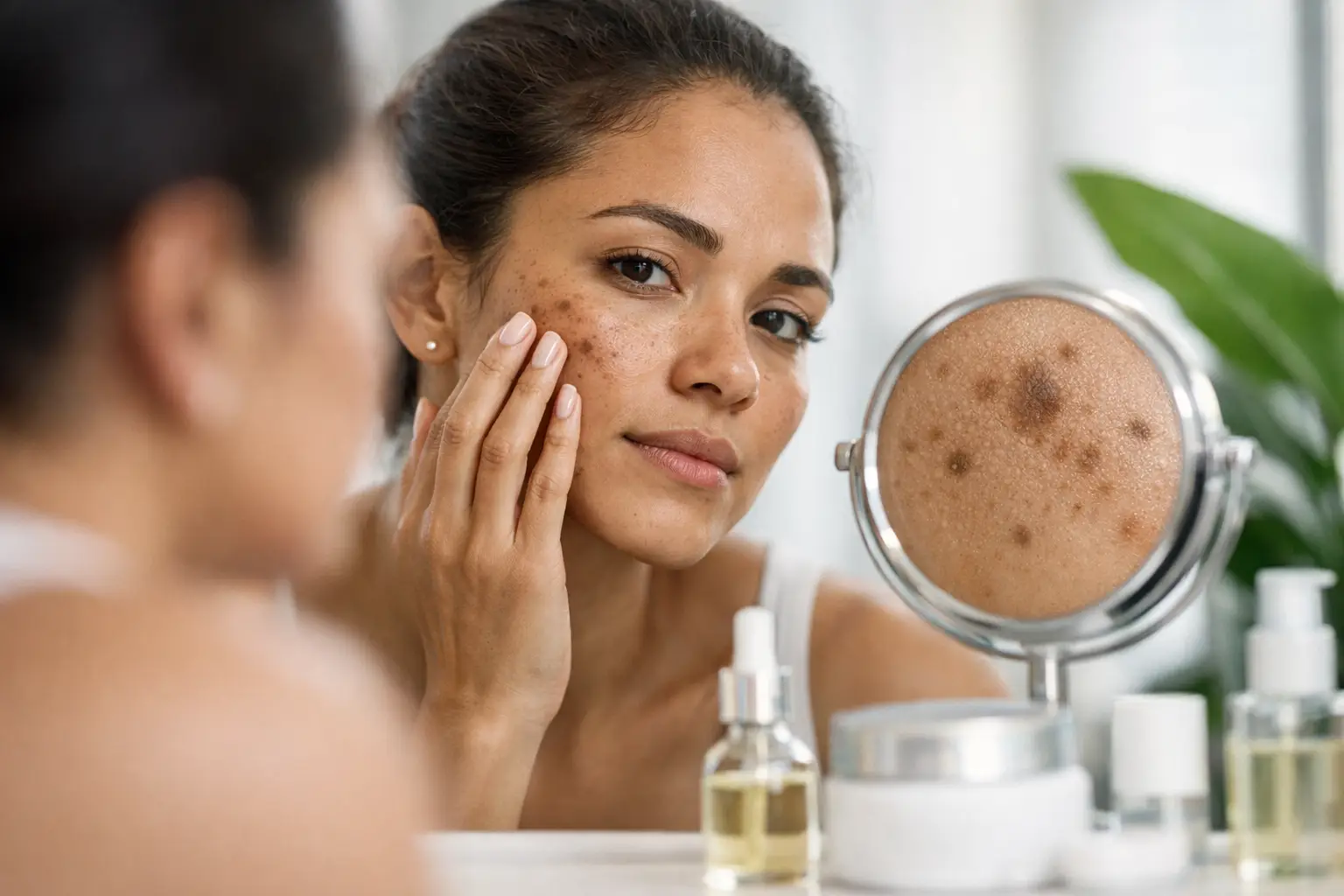

One mark from a breakout can linger longer than the spot itself. If you are wondering how to fade dark spots without wasting money on products that overpromise, the answer is usually less about doing more and more about using the right ingredients consistently.
Dark spots can show up after acne, sun exposure, irritation, shaving, eczema flare-ups, or even a small scratch. On deeper skin tones, they can appear especially stubborn because the skin is more likely to produce excess pigment after inflammation. The good news is that many dark spots do fade. The catch is that they rarely disappear overnight, and the fastest route is not always the harshest one.
How to fade dark spots without making them worse
The first thing to know is that not every dark mark is the same. Some are post-inflammatory hyperpigmentation left behind after spots, insect bites, or irritation. Others are sun spots that build up gradually over time. Melasma is another category altogether, often linked to hormones and heat as much as sunlight. Knowing which type you are dealing with matters, because it affects how quickly you see change and which products are worth your time.
If your skin is easily irritated, a strong brightening routine can backfire. Over-exfoliating, mixing too many actives, or skipping moisturiser can trigger more inflammation, which may deepen pigmentation instead of fading it. That is why a steady routine tends to outperform an aggressive one.
Start with the product that matters most – SPF
If you use one brightening serum but ignore sun protection, you are making the job harder. UV exposure can darken existing marks and slow down fading, even on cloudy days. Daily sunscreen is not just a finishing step. It is part of the treatment.
Choose a broad-spectrum SPF 30 or above every morning, and apply enough to cover the face properly. If you spend time outdoors, reapply. For anyone treating hyperpigmentation, this is non-negotiable. Without it, even premium formulas can struggle to deliver the visible results you want.
The ingredients that actually help fade pigmentation
When shoppers ask how to fade dark spots, they often assume they need one miracle cream. In reality, a few proven ingredients tend to do the heavy lifting.
Vitamin C is a strong option for brightening and helping the skin look more even. It suits many routines, especially in the morning under SPF. Niacinamide is another favourite because it helps support the skin barrier while improving the look of uneven tone. If your skin is sensitive or you are new to active skincare, niacinamide is often an easy place to begin.
Azelaic acid is a smart choice for people dealing with both blemishes and leftover marks. It can help calm the look of redness and target pigmentation at the same time. Retinol and other retinoids can also help by encouraging cell turnover, but they need patience and a careful approach. Start slowly, especially if your skin is dry or reactive.
For more persistent dark spots, exfoliating acids such as glycolic acid, lactic acid, or salicylic acid can be useful, depending on your skin type and concern. Glycolic acid can help with dullness and surface pigmentation. Salicylic acid is often better if breakouts are part of the picture. The trade-off is that too much exfoliation can leave skin tight, irritated, and more prone to further marks.
Build a routine that works in real life
A good pigmentation routine does not need ten steps. It needs consistency, the right texture for your skin type, and products you will actually use daily.
In the morning, cleanse if needed, apply a brightening serum such as vitamin C or niacinamide, follow with moisturiser, then finish with SPF. At night, cleanse properly, use one treatment product, and seal everything in with a moisturiser that keeps the barrier comfortable. If you are using retinol or acids, rotate them rather than stacking everything together.
This is where product choice matters. Some people want lightweight serums that layer well under make-up. Others prefer richer creams that combine moisturising and tone-correcting benefits in one step. There is no single best format. What matters is whether the formula fits your skin and whether you can stick to it long enough to see change.
How long does it take to fade dark spots?
This is the part most people underestimate. Fresh post-blemish marks can start to look better in a few weeks with a well-matched routine, but deeper or older pigmentation often takes two to three months, sometimes longer. Melasma can be even more persistent and may come back if triggers are not managed.
If a product promises dramatic fading in days, treat that claim carefully. Real progress tends to be gradual – a brighter overall look, softer edges around the mark, and a more even skin tone over time. The shift can be subtle week to week, which is why taking a photo every couple of weeks can help you spot the difference.
When brightening products sting or cause peeling
A little tingling is not always a problem, but persistent stinging, redness, flaking, or a burning feeling usually means your routine is too strong. That does not mean active skincare is not for you. It often means you need to reduce frequency, simplify your routine, or switch to gentler formulas.
Barrier care is not a luxury when you are treating pigmentation. Hydrating cleansers, fragrance-free moisturisers, and ingredients such as ceramides, glycerin, and hyaluronic acid can make a real difference. Skin that feels calm and supported is more likely to tolerate brightening ingredients well.
The most common mistakes people make
One of the biggest mistakes is treating the dark spot but not the cause. If you still pick at blemishes, use irritating hair removal methods, or skip SPF, new marks can replace the old ones. Another common issue is switching products too quickly. If you change your routine every two weeks, you may never give a formula enough time to work.
There is also a temptation to use multiple spot-fading products all at once. More is not always better. A vitamin C serum, exfoliating toner, retinol cream, brightening mask, and strong fade cream in the same week can be too much for many skin types. Effective skincare should feel sustainable, not punishing.
Face and body dark spots are not always the same
Dark spots on the face often get the most attention, but body pigmentation is just as common. Marks on the back, chest, underarms, elbows, knees, and legs may need a slightly different approach because the skin in those areas can be thicker or more prone to friction.
Body lotions and creams with exfoliating acids, niacinamide, or tone-evening ingredients can help, especially when used consistently after bathing. If friction is part of the problem, from tight clothing or repeated rubbing, reducing that trigger matters as much as the product itself. For shoppers looking for targeted solutions across face and body, this is where a broader beauty retailer like Lovely Aura can make the routine easier to build in one place.
When to see a professional
Sometimes a dark patch is not something to self-treat indefinitely. If a mark changes shape, becomes itchy, bleeds, or looks unusual, it should be checked by a healthcare professional. The same applies if you suspect melasma, if pigmentation is widespread, or if you have tried a consistent routine for several months without progress.
Dermatology-led options such as prescription-strength creams, chemical peels, or other in-clinic treatments can be worth considering for stubborn pigmentation. They are not always necessary, but they can speed things up when over-the-counter skincare is not enough.
What to look for when shopping
The best product is not necessarily the most expensive one. Look for trusted brands, clear ingredient lists, and formulas designed for your specific concern, whether that is post-acne marks, uneven tone, dullness, or body pigmentation. If your skin is sensitive, choose fewer actives and more barrier support. If you are experienced with treatment products, you may be able to build a more advanced routine.
It also helps to think about texture and habit. A serum that pills under sunscreen or a cream that feels too heavy in the morning is less likely to become part of your routine. Results come from regular use, not just good intentions.
Dark spots can be frustrating because they often outstay the problem that caused them. Still, with daily SPF, the right brightening ingredients, and a routine you can actually maintain, clearer-looking skin is a realistic goal. Give your skin time, choose products with purpose, and let progress build steadily rather than chasing instant fixes.