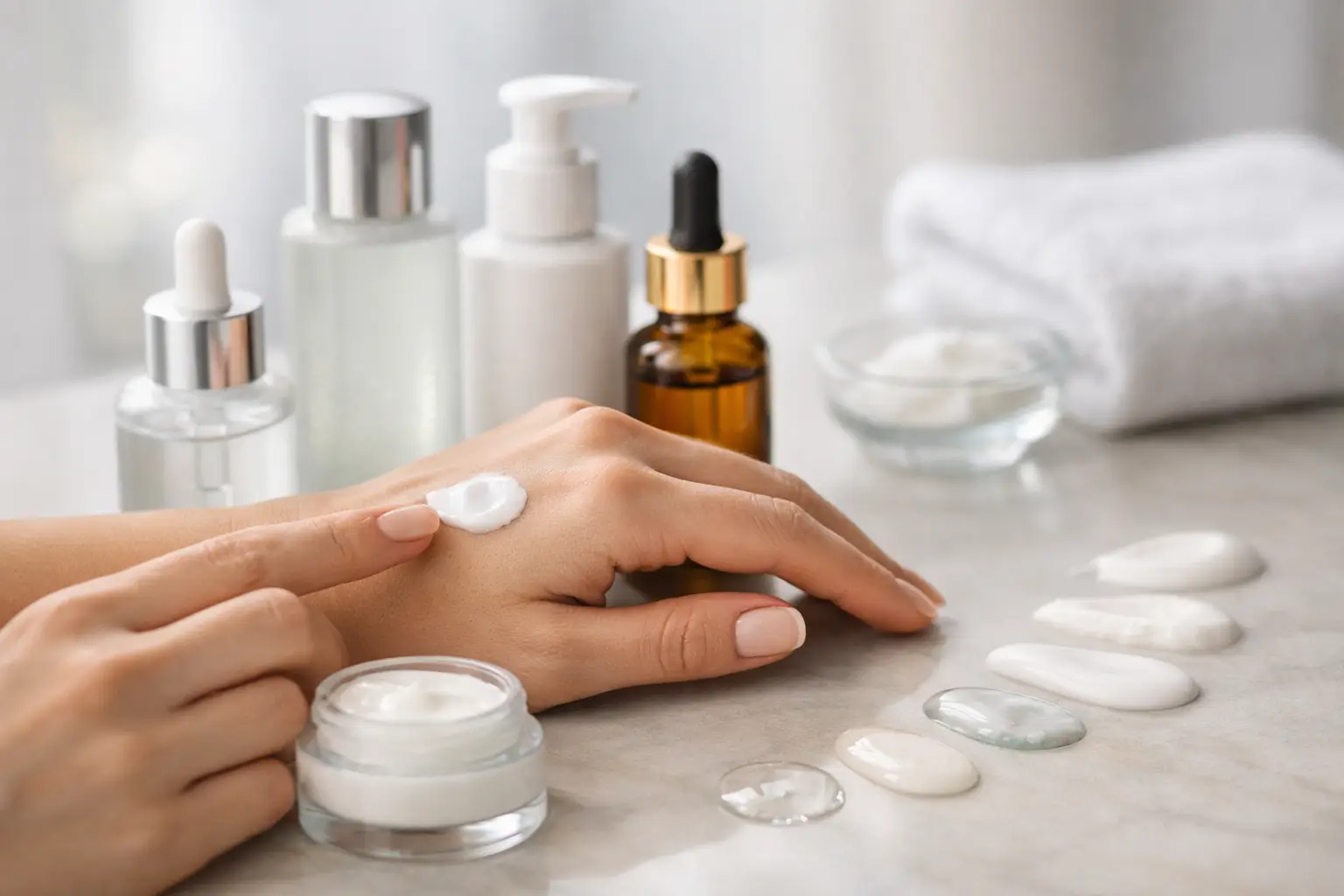

Putting a vitamin C serum over a heavy night cream and wondering why your skin feels sticky, pills under makeup, or looks no brighter by Friday? The order matters more than most people realise. If you have ever asked how to layer skincare products, the good news is that the answer is simpler than it looks once you understand what each step is meant to do.
A well-layered routine helps your products absorb better, feel better on the skin, and deliver more visible results. It also saves money. There is no point investing in trusted skincare if active formulas are being blocked by richer textures or combined in ways that leave your skin stressed instead of glowing.
How to layer skincare products in the right order
The easiest rule is this: go from the lightest texture to the richest. That usually means cleanser first, then toner or essence, then serums, then moisturiser, and SPF last in the morning. At night, SPF drops out and treatments can take centre stage.
That said, texture is only part of the story. Function matters too. Cleansers remove buildup. Water-based formulas hydrate or treat. Creams seal in moisture. Sunscreen sits on top as your daily protection. If you reverse that order, your routine can become less effective very quickly.
Start with clean skin
Every good routine starts with cleansing. If your skin is carrying sunscreen, makeup, excess oil, or the day’s grime, the products that follow have to work harder. Morning cleansing can be as simple as a gentle face wash if your skin runs oily, or even a light rinse if your skin is on the drier side. In the evening, a proper cleanse matters more.
If you wear long-wear makeup or multiple layers of SPF, a double cleanse can help. Begin with an oil-based or balm cleanser to break down makeup and sunscreen, then follow with a water-based cleanser to clean the skin itself. This is especially useful for congested or blemish-prone skin, but it does not need to be harsh.
Use toner or essence if it suits your skin
Not everyone needs a toner, but the right one can add hydration, calm the skin, or lightly refine texture. A hydrating toner fits well after cleansing because it adds a first layer of moisture and helps prepare the skin for serums. If you use an exfoliating toner with acids, that usually goes on after cleansing too, but not necessarily every day.
This is where restraint pays off. If you are already using a retinol serum or another active treatment later in the routine, an acid toner on top can be too much for sensitive skin. More steps do not always mean better skin.
Apply serums from thinnest to thickest
Serums are where most routines become confusing. Brightening serums, hydrating serums, blemish treatments, retinol, niacinamide, peptide formulas – they all promise results, but they do not all need to be used at once.
If you are layering more than one serum, start with the most lightweight, usually water-based formulas, and move towards anything milkier or more emollient. A common morning order is hydrating serum first, then antioxidant serum, then moisturiser. In the evening, you might use a hydrating serum first and then a treatment serum after, depending on your skin’s tolerance.
Vitamin C is often best used in the morning because it supports brightness and works well alongside SPF. Hyaluronic acid can be used morning or night and sits comfortably under most products because it is mainly about hydration. Niacinamide is versatile too and usually layers easily with other formulas.
Retinol deserves a little more care. It is generally an evening step and should go onto dry skin after cleansing and any lightweight hydrating layer, unless the specific product says otherwise. If your skin is sensitive, you can use the sandwich method – moisturiser, retinol, moisturiser – to soften the impact.
When active ingredients should not be piled together
This is the part many people skip, and it is often why skin becomes irritated. Learning how to layer skincare products is not just about order. It is also about knowing when to separate strong ingredients.
AHAs, BHAs, retinol, benzoyl peroxide, and some stronger brightening treatments can all be effective, but they do not always play well in the same routine. For some skin types, combining exfoliating acids and retinol in one evening is too aggressive. For others, vitamin C and certain acid formulas can feel uncomfortable when layered together, especially on sensitised skin.
It depends on the product, the strength, and your skin barrier. If your skin is resilient and you are using gentle percentages, you may tolerate more. If your skin is reactive, dehydrated, or already compromised, keeping actives on separate days is often the smarter move. Better results usually come from consistency, not overload.
Seal everything in with moisturiser
Moisturiser is not just for dry skin. It helps support the skin barrier, reduces water loss, and makes the whole routine feel more balanced. After serums, apply a moisturiser that suits your skin type. Lightweight gel-cream textures can be ideal for oily or combination skin, while richer creams suit dry or mature skin.
If you use spot treatments, there can be some flexibility. Some are applied before moisturiser, especially if they are treatment gels. Others sit better after. The product directions matter here, because treatment formulas vary.
SPF is always the final morning step
If you remember one thing, let it be this. Sunscreen goes last in the morning. Always. It needs to form an even layer over the skin to do its job properly. If you apply moisturiser or face oil over SPF, you can disrupt that protective film.
This matters whether your goal is preventing early signs of ageing, helping dark spots fade, or protecting sensitive skin. Without daily SPF, brightening routines can feel like one step forward and two steps back. If hyperpigmentation, uneven tone, or post-blemish marks are a concern, sunscreen is not optional.
How to layer skincare products for morning and night
A strong routine does not have to be long. In the morning, keep it focused on protection and hydration. Cleanser, optional toner, serum, moisturiser, SPF is enough for most people. If you want a more refined routine, add a vitamin C serum or niacinamide before moisturiser.
At night, the routine can do more corrective work. Cleanser, optional hydrating toner, treatment serum, moisturiser is a solid structure. On some evenings you may swap in exfoliation. On others, use retinol. Skin does not need every active every night to improve.
This is often where shoppers get better results with a category-led approach. If your main concern is dehydration, build around hydration first. If dullness and dark marks are bothering you, focus on brightening and protection. If breakouts are the issue, simplify and choose a few targeted formulas rather than layering every trend product you own.
Where facial oils fit
Facial oils usually come after moisturiser, or mixed into moisturiser, because they are more occlusive. Their role is to help lock in moisture rather than provide the first layer of hydration. If you apply oil too early, it can make it harder for lighter products to absorb.
There are exceptions, because some modern oil-serum hybrids are designed differently. But in general, oil is one of the final skincare steps, and never before water-based treatment products.
What about eye cream?
Eye cream typically goes after serum and before moisturiser, though it can also be applied after moisturiser if the texture is rich. The key is to use a small amount and avoid dragging the skin. If your moisturiser already suits the eye area and does not sting, you may not need a separate product at all.
Common layering mistakes that can hold your skin back
One of the biggest mistakes is using too much product. More serum does not mean faster results. It often means pilling, congestion, or irritation. Another is changing everything at once. If your skin reacts, you will not know which product caused the problem.
Rushing can also work against you. You do not need to wait ten minutes between every step, but giving each layer a few seconds to settle can help. This is especially useful before SPF and makeup.
Then there is the issue of chasing every active ingredient on social media. A routine packed with acids, retinol, brightening creams, and drying blemish treatments can leave the skin barrier compromised. When that happens, even good products start to sting.
For many people, the best routine is not the most expensive or the longest. It is the one you can repeat every day with confidence. Trusted skincare from everyday staples to more specialised treatment formulas can work beautifully together when the order makes sense and your skin can tolerate the combination.
If you are building a routine from scratch, keep it simple first. Once your skin feels comfortable, you can add one targeted step at a time. That is how real progress tends to happen – steadily, visibly, and without the guesswork.