
That “too good to miss” serum is often where disappointment starts. If you are wondering how to find authentic beauty products online, the smartest approach is not chasing the lowest price – it is knowing what to check before a product reaches your basket. In beauty, authenticity protects more than your money. It protects your skin, your results and your confidence.
A counterfeit moisturiser, fragrance or brightening treatment may look convincing at first glance, but the difference shows up quickly. Texture can feel wrong, fragrance may be harsher than expected, packaging can be slightly off, and performance rarely matches what the brand promises. For shoppers investing in trusted names and targeted skincare, that is a risk not worth taking.
Why authenticity matters in beauty
Beauty is personal. You are not simply buying a jar, bottle or palette – you are buying a formula designed for a specific purpose, whether that is hydration, glow, tone correction, fragrance wear or everyday maintenance. Authentic products are created to meet the brand’s standards for ingredients, safety and consistency. That matters even more when you are shopping for active skincare, dermatologist-recognised formulas or products for concerns such as dark spots, dryness and uneven skin tone.
Fake products can be a false economy. A lower price may look attractive, but if the formula is diluted, expired, poorly stored or entirely counterfeit, you could end up paying twice – once for the fake and again for the real product that actually delivers results. In some cases, you may also have to deal with irritation, breakouts or wasted time trying to repair the damage.
How to find authentic beauty products before you buy
The first thing to assess is the seller. A trustworthy retailer should be clear about what it sells, how products are categorised and how orders are fulfilled. If a website feels vague, hides key business details or presents luxury and specialist skincare with no meaningful product information, pause before purchasing. Serious beauty retailers usually make it easy to browse by category, concern, brand and product type because they understand what shoppers are looking for.
Price is the next clue, but it needs context. A good promotion is normal. Seasonal discounts, sale pricing, bundle offers and retailer deals happen across beauty all the time. The red flag is not a fair discount – it is an unrealistic one. If a prestige fragrance or premium skincare item is dramatically cheaper than you would expect everywhere else, there is usually a reason. Authentic beauty can be affordable, but there is a difference between competitive pricing and suspicious pricing.
Product presentation also says a lot. Reliable retailers tend to show accurate product names, sizes, benefits and brand details. If you see spelling mistakes, missing shade names, unclear pack sizes or inconsistent branding, treat that as a warning sign. Beauty customers shop by detail. A retailer that respects that usually presents products with clarity.
Check the packaging, not just the product photo
Once your order arrives, packaging is one of the easiest places to spot problems. Authentic beauty products generally have clean printing, sharp logos, consistent fonts and neatly applied labels. Boxes should not look faded, flimsy or unevenly sealed. A luxury fragrance should feel premium in hand. A dermatologist-led skincare product should look precise and professional. When packaging quality is noticeably poor, that is worth questioning.
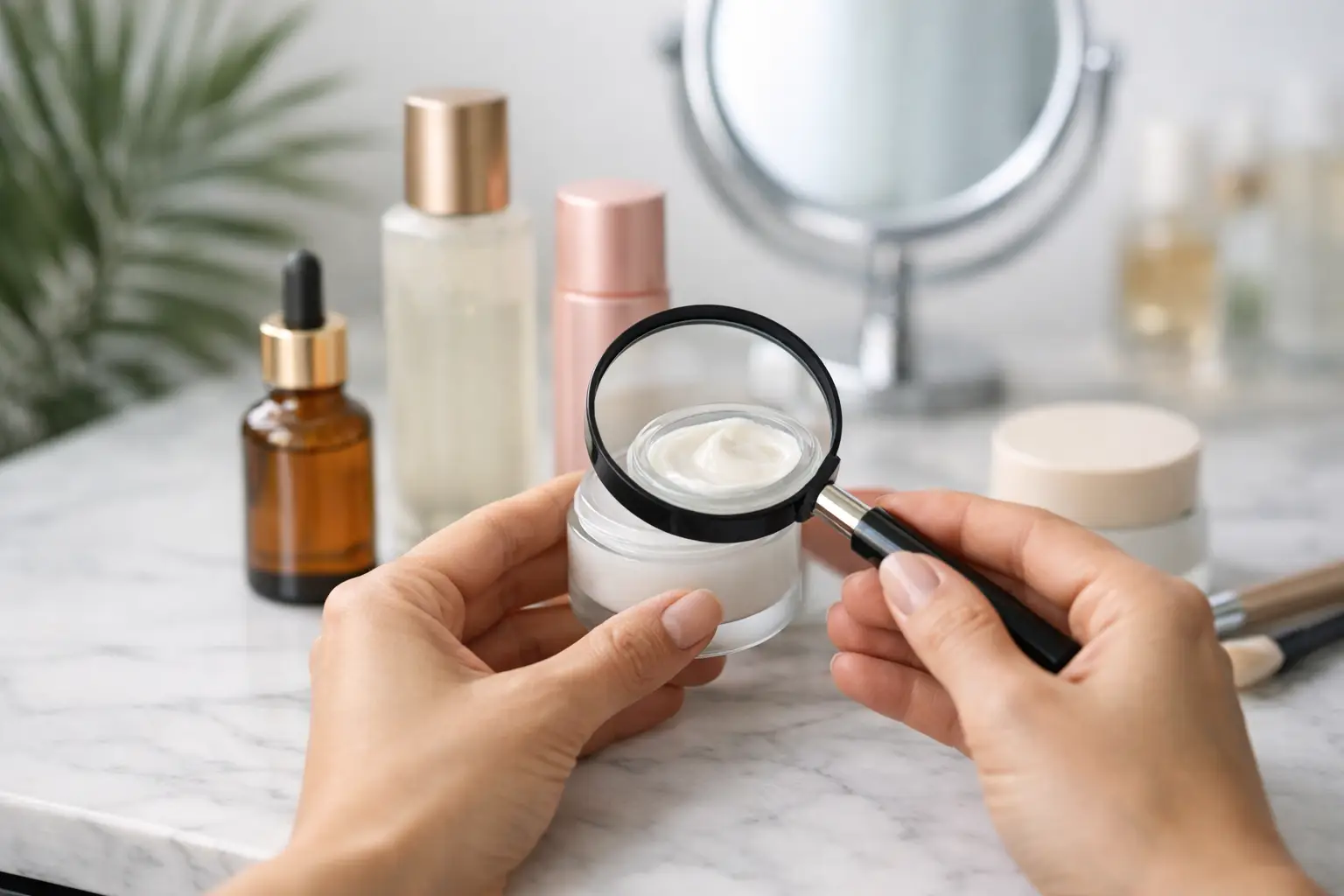
Look closely at the small details. Is the brand name printed exactly as expected? Does the volume match the official size? Are the ingredients listed clearly? Is there a batch code or production code where you would expect one? Counterfeit items often get the broad look right but miss the finer points. Sometimes the colour of the box is slightly off, the cap feels cheap or the label placement is uneven.
This is where experience helps, especially if you are replenishing a favourite product. If your usual cleanser now smells different, your regular body lotion feels thinner or your go-to foundation has changed texture without any known reformulation, do not ignore it. Authentic brands may update packaging from time to time, but dramatic changes in feel, scent or performance deserve a second look.
Batch codes, seals and shelf life
If you really want to know how to find authentic beauty products with more confidence, get familiar with batch codes. Many legitimate beauty items include a code that helps identify production details. It does not mean every product will display information in the same way, and some categories differ, but a complete lack of traceable markings on a branded product can be concerning.
Seals matter too, although not every item comes sealed in the same format. Some products are shrink-wrapped, some have foil seals, and others are packed without an outer seal by design. That is why it helps to know the product category. A missing seal is not automatically proof of a fake, but if the product also has poor packaging, inconsistent texture and suspicious seller details, the overall picture becomes clearer.
Shelf life is another practical check. Products that arrive discoloured, separated, unusually runny or with an off smell may have been stored badly or may not be genuine. Skincare with active ingredients, particularly treatment-led formulas, is where freshness and handling matter most.
Reviews can help, but read them properly
Customer reviews are useful when they describe specifics. Comments about texture, scent, results, delivery quality and repeat purchases can tell you a lot. What matters is the pattern. A few vague five-star reviews saying only “love it” are less convincing than detailed feedback from shoppers who clearly know the product.
At the same time, reviews are not perfect. Some genuine products receive negative comments because they did not suit a person’s skin type, while some counterfeit listings can be padded with generic praise. Read with a practical mindset. If multiple buyers mention packaging differences, missing seals, unusual smells or results that seem off, take that seriously.
Marketplace risk versus specialist beauty retail
Where you shop affects the level of risk. Large marketplaces can offer convenience, but they also create more room for inconsistency because multiple sellers may list the same item. One seller may be reliable, another may not. That does not mean every marketplace purchase is unsafe, but it does mean you need to be far more alert.
Specialist beauty retail is often the easier route for peace of mind. Retailers focused on skincare, fragrance, makeup and body care tend to understand the difference between replenishment products and concern-led treatments. They know shoppers want trusted brands, visible benefits and clear product information. That kind of retail environment makes it easier to shop with confidence, especially when you are buying products for pigmentation, dehydration, eczema-prone skin or routine maintenance.
How to spot authenticity issues in different categories
Not every product raises the same red flags. Fragrance is one of the most commonly questioned categories because counterfeits often mimic luxury packaging well enough to fool a quick glance. The giveaway is usually in the dry-down, longevity and bottle finish. If a fragrance disappears unusually fast or smells sharp and flat rather than layered, something may be wrong.
Skincare requires a different mindset. With cleansers, serums and creams, texture and skin response are often the clearest indicators. If a trusted formula suddenly pills, stings or feels heavily perfumed when it never did before, be cautious. This matters even more for brightening products and active treatments, where consistency is central to results.
Make-up sits somewhere in the middle. Packaging details, shade accuracy, applicator quality and formula performance all matter. A fake lipstick may have poor pigment and a waxy smell. A counterfeit mascara can feel especially risky because of the eye area. For products used close to the eyes or on compromised skin, authenticity should never be treated as optional.
A smart shopper’s checklist for authentic beauty
The best way to buy with confidence is to slow down just enough to notice the signs. Check that the retailer looks established, that pricing feels credible, that product information is complete and that the packaging quality matches the brand standard. Compare your purchase with previous genuine items if you have used the product before. If something feels off, trust that instinct and investigate before applying it to your skin.
It also helps to buy from retailers that make beauty shopping easy to navigate by brand, category and concern. That usually reflects a business built around real customer needs rather than quick one-off sales. For shoppers who want premium-quality beauty essentials, specialist treatments and everyday staples in one place, that kind of environment supports both value and trust. Lovely Aura is one example of that approach, offering branded beauty and personal care across familiar favourites and targeted solutions with convenience at the centre.
Knowing how to find authentic beauty products is really about protecting your routine. When you choose trusted retail, fair pricing and products that look, feel and perform as they should, you give your skin and your self-care investment the quality they deserve. Beauty should feel exciting, not uncertain – and the right checks make all the difference.