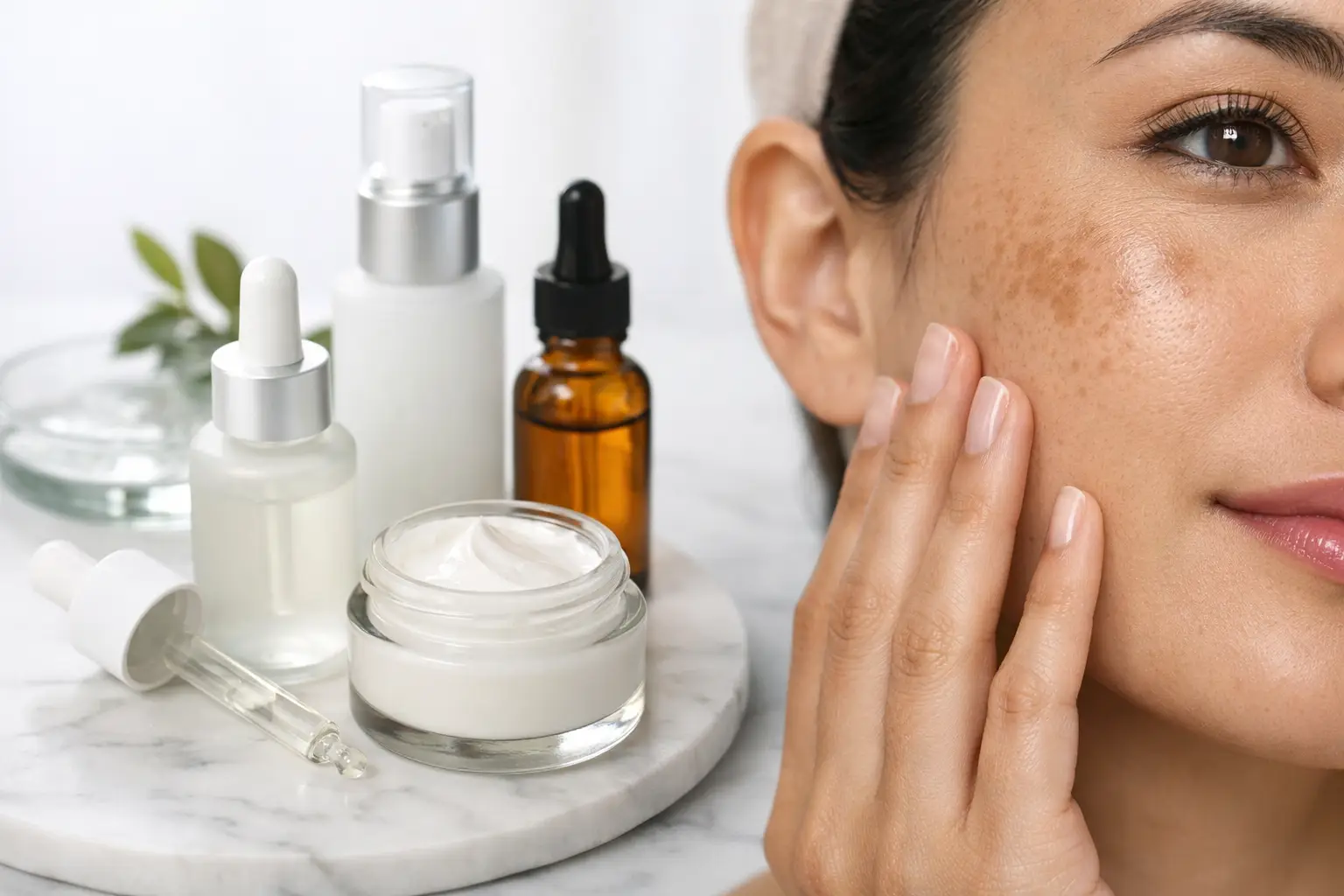

Dark spots have a way of overstaying their welcome. If you are wondering what skincare helps dark spots, the answer is not one miracle cream but the right mix of proven ingredients, daily sun protection, and a routine you can stick to long enough to see change.
Some marks fade quickly, while others take months. That depends on what caused them, how deep the pigment sits in the skin, and whether your routine is helping or quietly making things worse. The good news is that there are effective skincare options for post-acne marks, sun spots, and uneven tone, from affordable essentials to more advanced formulas from trusted names.
What skincare helps dark spots most effectively?
When people talk about dark spots, they usually mean hyperpigmentation. That includes post-inflammatory marks after breakouts, patches triggered by sun exposure, and stubborn areas of uneven tone that make skin look dull. The most effective skincare does two jobs at once – it helps slow down excess pigment production and encourages old discolouration to fade more evenly.
The ingredients with the best track record are vitamin C, niacinamide, azelaic acid, retinol, alpha arbutin, exfoliating acids such as glycolic acid and lactic acid, and daily SPF. Not every skin type needs all of them. In fact, piling on too many active ingredients can leave skin irritated, and irritation can deepen pigmentation rather than improve it.
That is why a smart routine usually works better than an aggressive one. If your skin barrier is calm and supported, brightening ingredients tend to perform better.
Start with the cause of the dark spot
Before choosing products, it helps to know what kind of mark you are treating. Post-acne marks often respond well to exfoliation, niacinamide, retinoids, and azelaic acid. Sun spots usually need long-term pigment-correcting care paired with strict SPF use. If your dark patches are symmetrical, often on the cheeks or forehead, and seem to get worse with heat or sunlight, that may be melasma, which can be more difficult to treat with skincare alone.
This matters because expectations need to match the concern. A fresh post-blemish mark may fade in weeks with the right products. Older pigmentation or melasma can take far longer, and even good skincare may need backup from a dermatologist.
The ingredients worth your attention
Vitamin C for brightness and uneven tone
Vitamin C is one of the most popular answers to what skincare helps dark spots because it helps brighten skin and support a more even-looking complexion. It can also help defend against environmental stress that contributes to dullness.
Some vitamin C serums feel elegant and lightweight, while others can irritate sensitive skin. If your skin reacts easily, gentler derivatives may suit you better than strong pure ascorbic acid formulas. Consistency matters more than choosing the strongest percentage on the shelf.
Niacinamide for calm, balanced skin
Niacinamide is a strong choice if you want visible results without making your routine feel complicated. It helps improve uneven tone, supports the skin barrier, and pairs well with many other ingredients. For shoppers who want targeted care without a high-maintenance routine, this is often a smart place to start.
It is especially helpful if dark spots appear alongside excess oil, enlarged-looking pores, or post-breakout redness.
Azelaic acid for post-acne marks
Azelaic acid deserves more attention than it gets. It can help with dark marks, blemish-prone skin, and texture at the same time. That makes it particularly useful if your pigmentation is linked to spots that keep coming back.
It is usually better tolerated than some stronger acids, though it can still cause a slight tingling feeling when you first begin. If your skin is sensitive but you still want a hardworking treatment, azelaic acid can be a very good middle ground.
Retinol for renewal
Retinol and other retinoids help speed up skin cell turnover, which can gradually soften the appearance of dark spots. They are also useful if you want to tackle fine lines, roughness, and recurring breakouts while improving tone.
The trade-off is that retinol needs patience and careful use. Start too strong or use it too often, and you may end up with dryness, peeling, and irritation. For many people, two or three nights a week is a better beginning than nightly use.
Exfoliating acids for stubborn dullness
Glycolic acid, lactic acid, and similar exfoliants can help fade surface pigmentation by lifting away dull, older skin cells. They can make skin look smoother and more radiant quite quickly, which is why they remain popular in brightening routines.
Still, more is not better. Over-exfoliating can damage your barrier and trigger more inflammation. If you are already using retinol or other actives, a gentle approach is usually the smarter one.
Alpha arbutin and other brightening ingredients
Alpha arbutin is often found in serums aimed at uneven tone and dark spot correction. It is a useful option for shoppers who want focused brightening support without jumping straight into stronger treatments. You may also come across tranexamic acid in advanced formulas designed for persistent pigmentation.
These ingredients can be excellent additions, but they work best when the basics are in place first.
The one product you cannot skip
If dark spots are your concern, SPF is not optional. You can invest in every brightening serum available, but if your skin is exposed to UV without proper protection, spots can linger longer or come back faster. Even on cloudy days, pigment-prone skin benefits from daily sunscreen.
A broad-spectrum SPF 30 or above is the minimum most people should aim for, and SPF 50 is often the safer bet if you are actively trying to fade marks. Texture matters too. A sunscreen you enjoy wearing every day will always outperform one that sits unused in the bathroom.
A simple routine that actually makes sense
You do not need a crowded shelf to build an effective dark spot routine. In the morning, cleanse gently, apply a brightening serum such as vitamin C or niacinamide, then finish with moisturiser and SPF. At night, cleanse again, use one treatment step such as azelaic acid or retinol, and follow with a barrier-supporting moisturiser.
If your skin is dry or reactive, focus first on hydration and comfort. There is no point chasing glow if your barrier is inflamed. Creams and serums with ceramides, glycerin, and hyaluronic acid can help keep skin balanced while active ingredients do their job.
What skincare helps dark spots if your skin is sensitive?
Sensitive skin needs a slower approach. Look for niacinamide, azelaic acid, gentler vitamin C formulas, and fragrance-free moisturisers that support the barrier. Avoid using multiple exfoliating products at once, and do not combine every trending active in the same week just because each one sounds impressive.
Patch testing matters here. So does restraint. A routine that your skin tolerates every day is more valuable than a stronger one you have to stop after ten days.
When results should start to show
This is where patience becomes part of the treatment. Mild post-acne marks may begin to look better within six to eight weeks. More stubborn pigmentation often needs three months or longer. If you keep changing products every fortnight, you make it harder to know what is actually working.
Take clear photos in similar lighting every few weeks if you want a more honest view of progress. Dark spots can fade so gradually that day-to-day changes are easy to miss.
Common mistakes that slow progress
The most common mistake is skipping SPF and expecting serums to do all the work. The next is overdoing active ingredients. Strong acids, retinol, scrubs, and harsh cleansing can push skin into a cycle of irritation that keeps marks looking darker for longer.
Another mistake is treating every dark spot the same way. A post-blemish mark, a sun spot, and melasma do not always respond equally to the same routine. If your pigmentation is getting worse despite consistent skincare, professional advice is worth considering.
Choosing products that fit your budget and routine
Great skincare for dark spots exists at several price points. Some people prefer a straightforward niacinamide serum and reliable SPF from familiar names. Others want more targeted formulas from dermatologist-recognised brands or specialist brightening ranges. Both approaches can work if the products suit your skin and you use them consistently.
That is where a retailer with broad choice becomes useful. Being able to shop trusted everyday staples alongside more specialised dark spot treatments makes it easier to build a routine that feels effective without feeling out of reach.
Dark spots rarely disappear overnight, but the right skincare can make a visible difference. Choose a few proven ingredients, protect your skin every day, and give your routine enough time to perform. Brighter, more even-looking skin usually comes from consistency, not chasing the next quick fix.