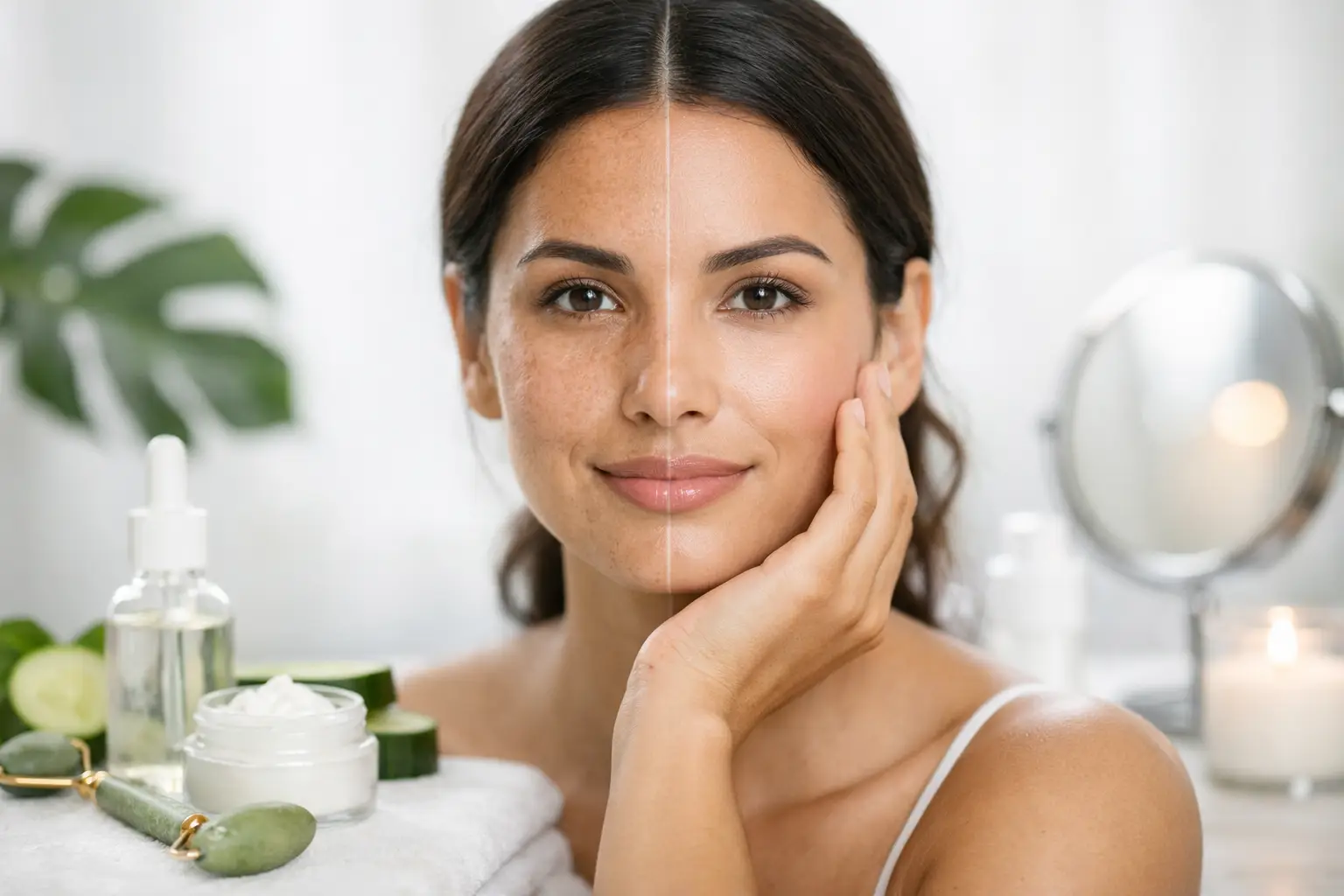

Uneven skin tone usually shows up in the mirror before you can quite explain it. Your skin may look dull in some areas, darker around the mouth, marked by post-blemish patches, or simply less radiant than it used to be. If you are asking what helps uneven skin tone, the answer is rarely one miracle product. It is usually the right mix of daily protection, targeted ingredients and consistency.
The good news is that tone concerns are common, and there are effective ways to improve them without overcomplicating your routine. Whether you are dealing with dark spots, sun damage, acne marks or general patchiness, visible results tend to come from using trusted formulas that match your skin’s needs and sticking with them long enough to work.
What helps uneven skin tone most?
The biggest difference usually comes from three things – sunscreen, exfoliation and pigment-targeting ingredients. That sounds simple, but each one plays a different role.
Sunscreen helps prevent uneven tone from getting worse. Without it, dark marks caused by acne, irritation or sun exposure can linger for longer and return more easily. Exfoliation helps remove the build-up of dead skin cells that can leave the complexion looking flat and uneven. Pigment-targeting ingredients help reduce the look of discolouration over time, especially when used consistently.
What matters most is choosing products that work with your skin rather than pushing it too hard. Trying too many strong treatments at once can leave skin irritated, which often makes tone issues more noticeable instead of less.
Why skin tone becomes uneven
Uneven skin tone can have more than one cause at the same time. Sun exposure is one of the most common. Even short daily exposure can encourage pigmentation, especially if you are not wearing SPF every day. Post-inflammatory marks are another major cause. These are the patches of colour left behind after spots, shaving irritation, eczema flare-ups or other inflammation.
Hormonal changes can also trigger pigmentation, especially on the cheeks, forehead and upper lip. In some cases, dryness and a weakened skin barrier can make the skin look rough, tired and patchy even when there are no dark spots involved. That is why a brightening routine should not only focus on fading marks. It should also support smoother, healthier-looking skin overall.
Dark spots, dullness and post-acne marks are not the same
This is where routines can go wrong. Dullness often responds well to gentle exfoliation and hydration. Post-acne marks may need ingredients like niacinamide or azelaic acid. More stubborn pigmentation caused by sun exposure may need a longer-term approach with vitamin C, retinoids or specialist brightening creams.
If your uneven tone is linked to sensitivity, eczema-prone skin or repeated irritation, barrier repair may be the real starting point. Brightening an irritated complexion is difficult if the skin is constantly inflamed.
Ingredients that help uneven skin tone
Some ingredients have earned their place in tone-correcting routines because they deliver visible improvement over time.
Vitamin C is a favourite for good reason. It helps brighten dull-looking skin and can improve the appearance of pigmentation caused by environmental stress and sun exposure. It is especially useful in the morning under sunscreen, where it supports a more radiant finish.
Niacinamide is another strong all-rounder. It helps improve uneven tone, supports the skin barrier and can suit a wide range of skin types. If your skin is prone to blemishes, sensitivity or dehydration, niacinamide is often a smart place to start.
Alpha arbutin and liquorice root are popular for targeting dark marks without being as aggressive as some stronger actives. These can be a good option if you want a more gradual, skin-friendly approach.
Retinol and other retinoids can help speed up skin renewal, which improves the look of discolouration and rough texture over time. They can be highly effective, but they do require patience and careful use. If overused, they may trigger dryness or flaking.
AHAs such as glycolic acid and lactic acid help exfoliate the surface of the skin. They can make the complexion look brighter and smoother, but the right strength depends on your tolerance level. Salicylic acid is better known for blemish-prone skin, yet it can also help when breakouts are causing lingering marks.
For shoppers looking for targeted solutions, dermatologist-recognised skincare and specialist brightening ranges can make it easier to match ingredients to your exact concern instead of guessing.
What helps uneven skin tone if your skin is sensitive?
Sensitive skin needs a slower approach. It is tempting to layer acids, retinol and brightening serums together, especially when you want results quickly, but that often backfires. Redness, stinging and dryness can make your skin appear even more uneven.
Start with a gentle cleanser, a barrier-supporting moisturiser and daily SPF. Then add one active at a time. Niacinamide, azelaic acid and mild vitamin C derivatives are often easier for sensitive skin to tolerate than stronger acids or high-strength retinol.
If your skin reacts easily, use your brightening product a few times a week at first rather than every day. It may feel slower, but steady progress is better than resetting your skin barrier every fortnight.
The role of sunscreen in tone correction
No brightening routine is complete without SPF. This is the step people often skip when they want to focus on treatment, but it is the one that protects your results.
UV exposure can deepen existing dark spots and trigger fresh pigmentation, even when the weather looks cloudy. If you are using exfoliants, retinol or any pigment-correcting treatment, sunscreen becomes even more important because your skin may be more vulnerable to sunlight.
A broad-spectrum SPF 30 or higher is the practical baseline for daily use. If you spend more time outdoors, reapplication matters. There is little point investing in premium skincare if unprotected sun exposure is undoing the work.
Building a routine that actually works
The most effective routine is usually the one you can keep up with. Morning is the ideal time for antioxidant support and protection. Evening is better for renewal and corrective treatments.
A simple morning routine might include a gentle cleanse, a vitamin C or niacinamide serum, moisturiser and SPF. In the evening, cleanse again, apply your chosen treatment such as an exfoliating acid, azelaic acid or retinol on the right nights, then follow with moisturiser.
You do not need every trending product on your shelf. If your skin is already using a brightening cream, an exfoliating toner and a retinol serum, adding more may not improve your results. It may simply increase irritation.
How long does it take to see improvement?
That depends on the cause of the uneven tone, how long it has been there and what you are using. Dullness can improve quite quickly, sometimes in a few weeks. Post-acne marks may take several weeks to a few months. Stubborn pigmentation often takes longer.
This is where realistic expectations matter. Skin tone correction is usually gradual. The aim is not overnight perfection. It is clearer, brighter and more even-looking skin with continued use.
When body care matters too
Uneven tone is not only a facial skincare issue. Areas such as elbows, knees, underarms, inner thighs and the chest can also develop patchiness or dark marks. In those cases, body exfoliators, brightening lotions and nourishing creams can help improve both texture and tone.
This is especially relevant if you are shopping for a complete routine rather than a single fix. Using targeted body care alongside facial skincare creates a more consistent approach, particularly if dryness or friction is part of the problem.
Mistakes that can keep skin tone looking uneven
One of the biggest mistakes is treating every mark as if it needs the strongest product available. More strength does not always mean better results. Another common issue is inconsistency. Switching products too quickly or using treatments only now and then makes it harder to judge what is working.
Skipping moisturiser can also be a problem, especially if you are exfoliating or using retinol. Well-hydrated skin often looks smoother and more luminous, which improves the appearance of tone even before dark spots fully fade. Finally, picking at spots almost always leaves behind more visible marks and more work later.
Choosing products with confidence
When you are deciding what helps uneven skin tone, look for products that match both your concern and your skin type. If your main issue is dullness, a glow-boosting exfoliant or vitamin C serum may be enough. If you are dealing with stubborn dark spots, a more targeted brightening treatment may suit you better. If your skin is dry or reactive, prioritise comfort and barrier support first.
Trusted brands, clear benefit-led formulas and routines that fit real life tend to deliver the best value. That is one reason shoppers return to beauty destinations like Lovely Aura – you can compare everyday essentials with specialist treatments in one place and build a routine that feels both premium and practical.
Better-looking skin tone is often the result of smart choices repeated daily. Start with protection, add one or two proven ingredients, and give your skin the consistency it needs to show you the difference.